Food packaging: what is the purpose of specifications?
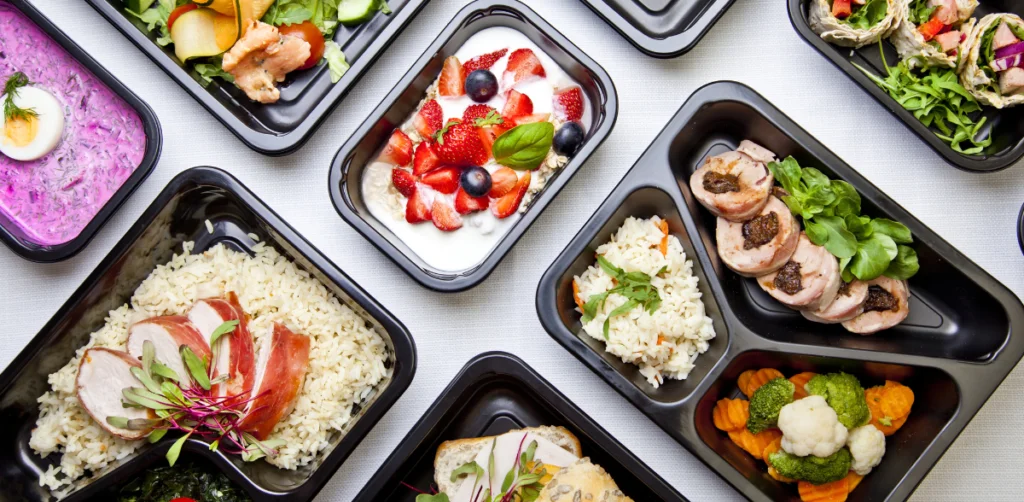
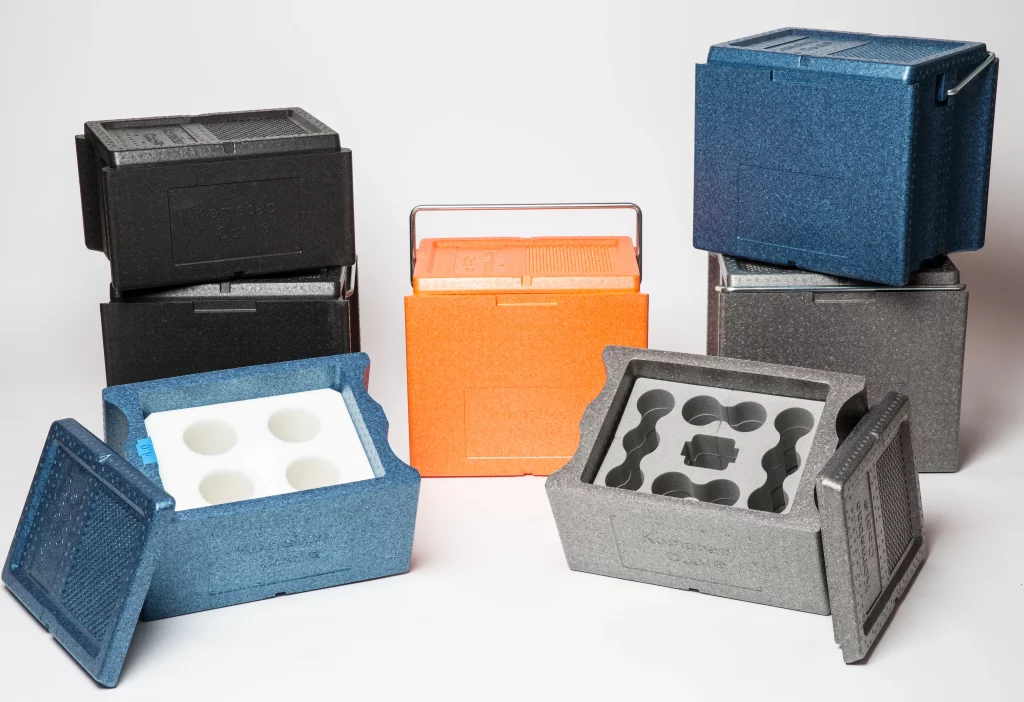
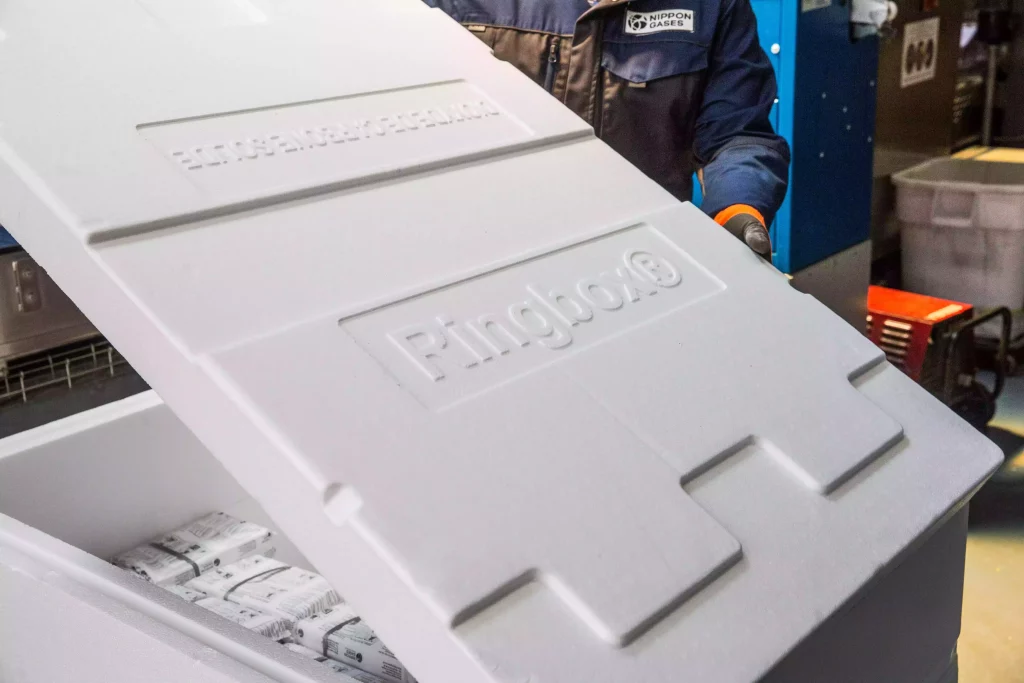
As the first point of contact with future customers and the guarantor of food quality, packaging contributes to your company’s success and conformity. That’s why it’s essential to design your packaging to reflect your image, while complying with current health regulations. For example, an ice tray must respect the cold chain throughout transportation, while a meat tray must be shock-resistant.
But that’s not all. In addition to protection and thermal insulation, food packaging also enhances your product to attract the customer’s eye. Color, material, shape, presentation… are all important decisions to be made. A design brief must set out your needs and objectives precisely. It also provides a deadline and budget for the food packaging project.
Clear, detailed objectives
Clearly define your objectives for this food packaging. Whether you’re aiming for preservation, brand communication, convenience or other criteria, identify exactly what you want from this packaging. Also specify the following elements.
A pastry will not keep in the same way as fish. Determine all the types of food products you need to protect and market with suitable packaging:
The quantity of food packaging
Indicate the quantity of packaging required for each type of product. This will guide you towards the manufacturing technology best suited to your product. Your needs will also influence the price. We can direct you towards standard packaging or to customized packaging.
When assessing your budget, consider less expensive standard packaging or custom packaging. Custom packaging may require an initial investment in specific tooling, but offers greater customization in terms of shape, size and design.
Don’t forget to specify your product’s time-to-market!
The characteristics of your food packaging
Detail the physical and chemical properties of your product, including its nature, dimensions, texture, sensitivity to light, humidity and heat. These specifications play a key role in defining your packaging.
Conditions of use and production process
Include the specific requirements of your production process in your food packaging specifications. Specify the conditions under which your product will be packaged, stored, transported and consumed. Indicate, for example, your requirements for lidding with protective atmosphere packaging, pasteurization, automatic destacking or the use of conveyors. Variations in temperature, exposure to light, humidity and other environmental factors influence the choice of materials and the design of the packaging itself.
Specify the dimensions of the desired packaging, taking into account the quantity of product to be contained and its constraints. Also determine the type of secondary packaging required, whether for vacuum packing or for transport to the point of sale. Consider aspects such as the use of cartons or pallets, stacking and stacking capacity, and maximum allowable weights to ensure efficient and safe distribution.
Be sure to specify your requirements for tamper evidence and protection against external contamination. Food packaging must preserve your product. Define the type of packaging and opening required to guarantee product freshness. For example, determine whether the packaging should be sealed, easy-to-open or portionable.
If aesthetics and design are important to your packaging, provide clear guidelines on the colors, shapes, graphics and other visual elements you wish to incorporate. These details have a direct impact on the product’s appeal to consumers. Also detail the communication elements you wish to see on the product (label, for example).
Define specific objectives related to reducing environmental impact, such as the use of recyclable materials or eco-design. Explore concrete examples of eco-innovation, such as the use of alternative materials or the reduction of carbon footprints.
Discover our Knauf Circular® programthe Knauf Industries program that collects your polystyrene waste and gives it a new lease of life.
Validation of your food packaging
Describe the testing and validation procedures that your packaging will have to undergo to guarantee its compliance with the specifications you’ve established. You can use 3D printing or stereolithography prototypes to validate the conformity of your packaging before production.
By following this checklist, you’ll be better equipped to draw up your specifications, geared towards designing a food packaging that meets your expectations. Find out more how to choose the best food packaging for your products in our blog.
At Knauf Industries we’re ready to work with you to turn these requirements into innovative, high-performance packaging solutions. Don’t hesitate to contact us to discuss your specific needs.