Why is product weight reduction a real issue?
Faced with increasingly demanding regulatory and environmental contexts, reducing product weight has become an essential strategic lever. And for several reasons!
First and foremost, reducing the weight of your products simplifies handling. Lighter parts are easier to handle, assemble, and transport, improving working conditions for operators and reducing the risk of musculoskeletal disorders (MSDs).
Furthermore, weight reduction lowers production and logistics costs. Less material used, optimized volumes, and lighter transport loads translate directly into savings at every stage of the product lifecycle.
Let's not forget that this is also a major lever for reducing your carbon footprint. Reducing product weight lowers transportation-related emissions.
Knauf Industries' solutions to help you lighten your products
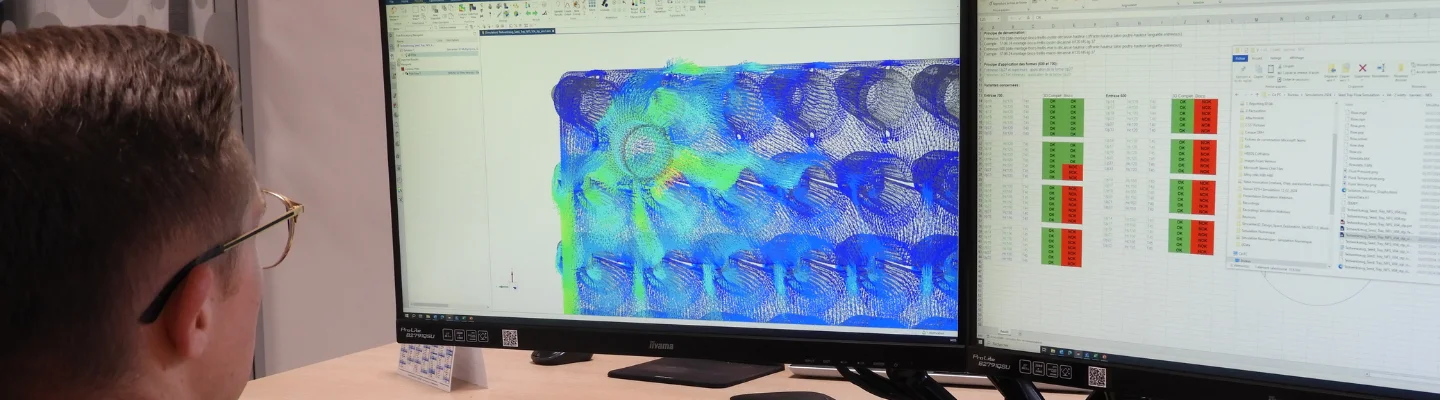
Convinced that weight reduction is a major challenge for industries today, we integrate this objective from the design phase. Thanks to our expertise in the co-development of custom plastic parts, we identify the best opportunities to reduce the weight of your products while improving their overall performance. How is this achieved?
Replacing heavy materials with plastics
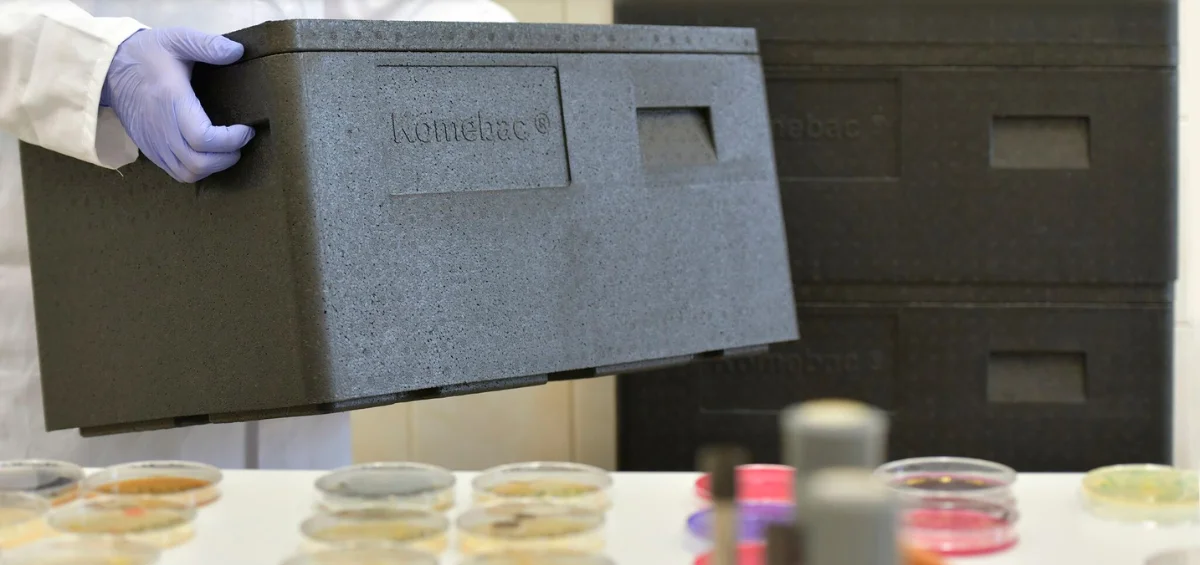
Replacing traditional materials like metal or wood with plastics is one of the most effective approaches. Thanks to cellular materials such as EPS (expanded polystyrene) or EPP (expanded polypropylene), it is possible to design significantly lighter parts while maintaining mechanical strength, shock absorption, and thermal or acoustic insulation properties.
This substitution reduces the overall weight of structures while simplifying their design and integrating multiple functions within a single part.
Reducing packaging weight
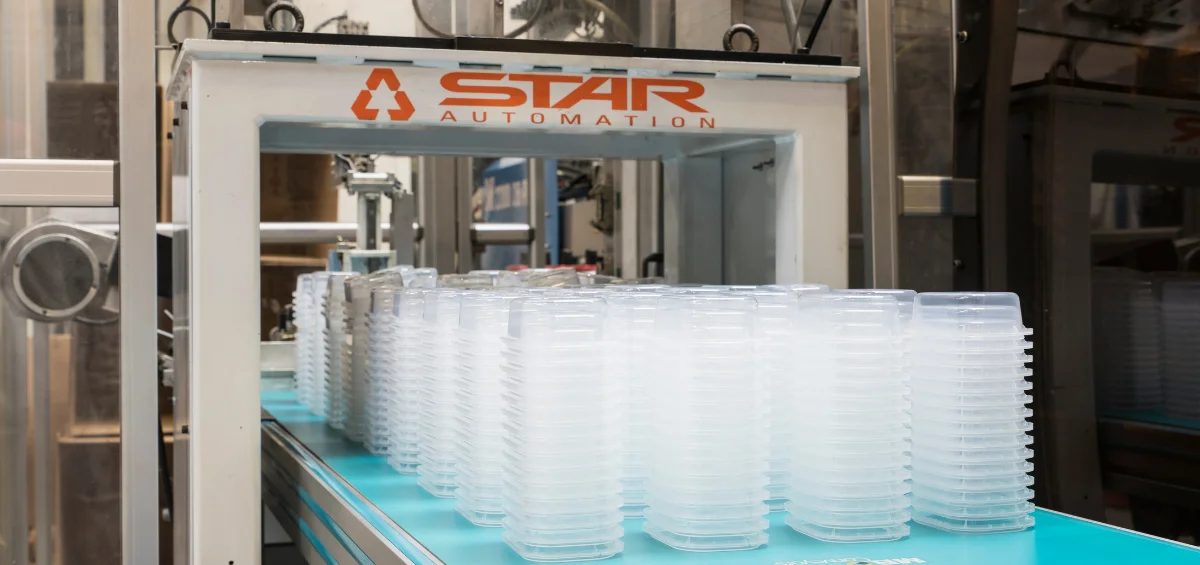
Packaging is a key area for optimization. Our teams are therefore working on optimizing its design, reducing the amount of material used, and exploring the possibility of integrating or replacing current materials with others. All this is aimed at producing lighter packaging solutions while guaranteeing optimal protection for your products.
Some commonly used strategies for reducing the weight of your products
 Polypropylene shuttle bin
Our lightweight rotation bins optimize transport and simplify logistics.
EPS packaging
Our solutions protect and isolate the most sensitive products.
PPE Air Conditioning Cassette
Our HVAC system solutions optimize your energy performance.
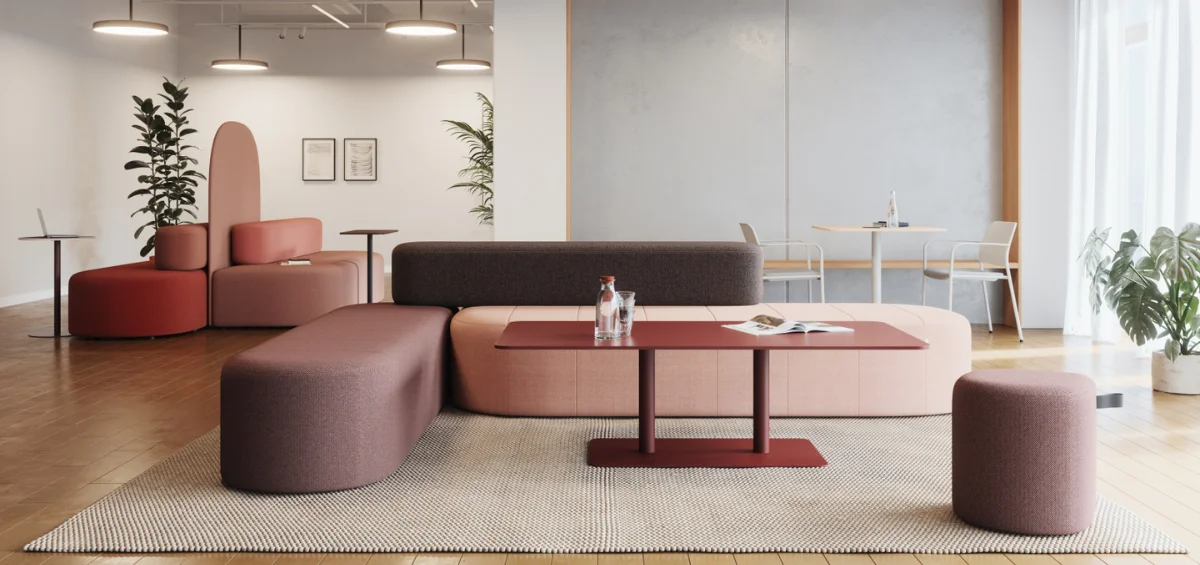
Lightweight PPE furniture
Our lightweight furniture solutions reduce logistical burdens and simplify handling.
Our solutions adapt to many sectors
Because each industry has its own constraints, our weight-reduction solutions are designed to adapt to diverse environments and specific requirements.
Food and Beverage
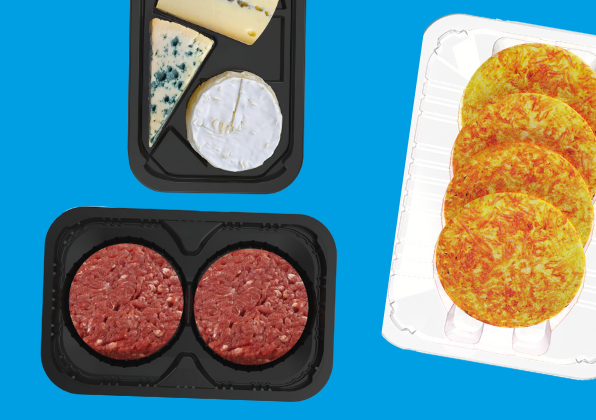
In the food and beverage sector, lighter packaging reduces transportation costs while maintaining high standards of hygiene and protection. Our solutions aim to optimize logistics flows, reduce material consumption, and preserve the integrity of transported products.
A concrete example: Socopa, with Knauf Industries, reduced the weight of its packaging by 15% thanks to an optimized design.
Industry & Construction
In industry and construction, reducing the weight of technical components is now a major challenge for the overall performance of equipment. The use of PPE or EPS structures makes it possible, for example, to replace heavy metal parts with much lighter alternatives, while maintaining rigidity and strength.
Concrete example: FLOWAIR, with Knauf Industries, significantly reduced its transport and assembly costs by replacing the steel structures of its HVAC equipment with PPE solutions.
Customer case: Awabot x Knauf Industries
To meet the logistical and environmental challenges of Awabot, a specialist in telepresence robots, Knauf Industries developed an optimized packaging solution. Thanks to in-depth work on design and material selection, we succeeded in significantly reducing the weight of the packaging and optimizing the transported volume while maintaining a high level of equipment protection. Want to learn more? Discover this case study in more detail now.
Related Resources

CSR Reports
CSR Report 2025
Discover our new CSR report for 2025
Read the report
Brochures & Videos
Technical excellence and eco-design for your projects
Leaf through the brochure
Read
Use Case
Profim x Knauf Industries
Furniture revolution with expanded polypropylene
Read the Use Case