Why is eco-design of plastic parts essential?
Manufacturers have to reconcile numerous parameters. From performance to safety to sustainability, the stakes are multiplying. And among them environmental impact is increasingly important. Whether as a result of regulatory constraints, commitment or responsibility, eco-design of plastic parts is no longer a luxury, but an unavoidable challenge. an unavoidable challenge.
The eco-design approach is being driven by a combination of three dynamics:
Regulations
In France, the AGEC law (2020) and the 3R directive Directive (April 2021) reinforce reduction, reuse and recycling requirements. At European level, the PPWR regulation, published in January 2025, clarifies expectations regarding packaging design and end-of-life. Finally, the Extended Producer Responsibility (EPR) scheme requires end-of-life financing and the demonstration of concrete actions such as eco-design.

Market
Retailers and consumers alike expect products to be products that are lighter, recyclable, reusable or reusable, and more energy-efficient. To meet these challenges, Knauf Industries designs plastic parts with a focus on sustainability and improved performance to reduce their impact. On a more global scale, we also strive to reduce over-packaging.
Competitiveness
Eco-design of plastic parts creates tangible tangible industrial benefits (optimization, weight reduction, material reduction, optimized formats for transport, improved production rates, etc.).
Faced with these changes, professionals need to adapt to stay competitive. It's in this context that Knauf Industries can support you, thanks to its solid expertise in the co-development of plastic parts. But before the project can be implemented, it is necessary to understand precisely what eco-design is all about.
Eco-design in a nutshell
Definition: According to ADEME, eco-design consists in integrating environmental criteria right from the design stage of a product to reduce its impact throughout its life cycle, from extraction of raw materials to end-of-life, without compromising quality of use or performance.
Eco-design involves three fundamental principles. The first of these is analysis of the product's environmental impact of the product at every stage of its life cycle (manufacture, transport, use, end-of-life). This analysis is directly in line with the second fundamental principle of eco-design for plastic parts, namely to reducing environmental impact at every stage of the chain (fewer resources consumed, less CO₂ produced, less waste).
Lastly, eco-design is fully compatible with other product performances in order to maintain high standards and consumer satisfaction.
The particularly complex eco-design of plastic parts requires solid know-how and a real capacity for innovation. ability to innovate. And that's exactly what Knauf Industries brings to the table, from the initial consideration of the part design or the materials to be used, through to production, life-cycle analysis and certification.
Our 3R approach (Reduce, Reuse, Recycle): concrete action on every lever
Our approach is rooted in our daily practices.
Because the eco-design of plastic parts encompasses many optimization factors, Knauf Industries has set up a broad process involving three main themes: Reduction, Reuse and Recycling. For each of these themes, we have a number of possible avenues open to us, and have made a number of concrete commitments.
In this way, we manage to concretely reduce impact without sacrificing performance. With our portfolio of materials and our LCA, simulation and prototyping tools (such as a scanner and a 3D printer), we design packaging and technical parts adapted to your needs, compliant with regulatory expectations and more competitive.
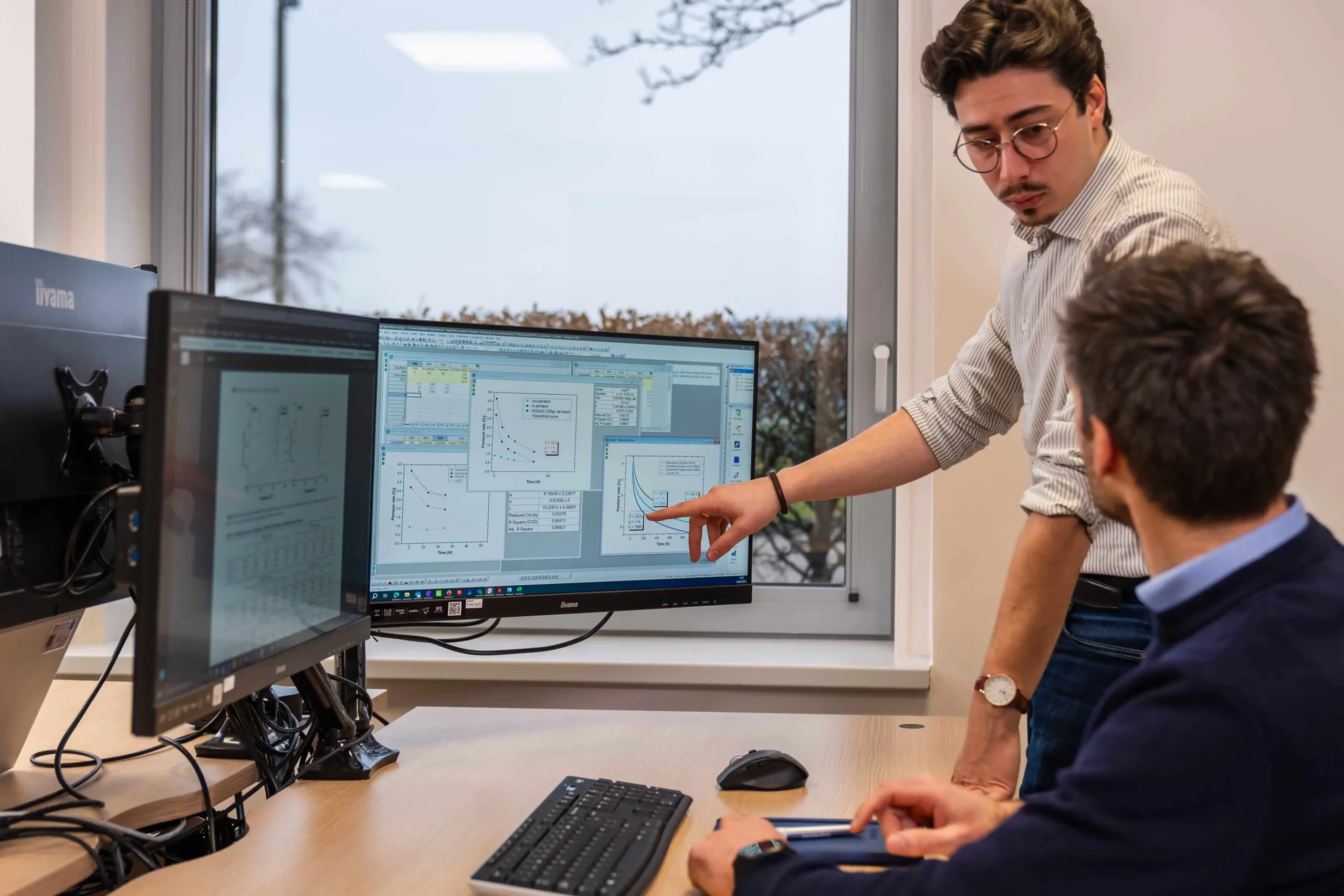
Reduce :
- Integration of environmental criteria right from the design stage, to reduce impact over the entire life cycle without altering use or performance These include carbon footprint, composition (mono-materials), biodiversity, durability (longevity), end-of-life (recyclability, reusability), logistics (delivery) and sourcing.
- Lighter parts through action on material: weight, thickness, density, while maintaining while maintaining mechanical properties (line life, stackability, mechanical, thermal, etc.).
- Optimization of formats and void rates to reduce volumes transported and stored, and therefore CO₂ emissions and logistics costs.
- Substitution of petroleum-based materials by alternatives alternatives made from recycled materials or from renewable resources resources (biomass).
Reuse :
- Circular vision: When it makes sense and contributes directly to the circular economy, we offer reuse solutions tailored to your constraints.
- Integration, from the design stage, of the possibility of reuse or re-employment depending on use.
- Designing reusable solutions such as the KOMEBAC KOMEBAC® and reusable solutions such as the KEEPY®range, tested over several cycles of use, to reduce waste and cut costs.
Recycle
- We favour monomaterials solutions (PP, PET, EPS, PPE...) to improve sorting and recyclability.
- We avoid disruptive elements (carbon black or multi-materials).
- Development of our Knauf Circular® program, dedicated to collection and recycling end-of-life EPS parts.
Internal loops Internal loops: reincorporating as many production offcuts as possible into our manufacturing processes to minimize the use of fossil fuels.

Our tools and methods for measuring, simulating and proving
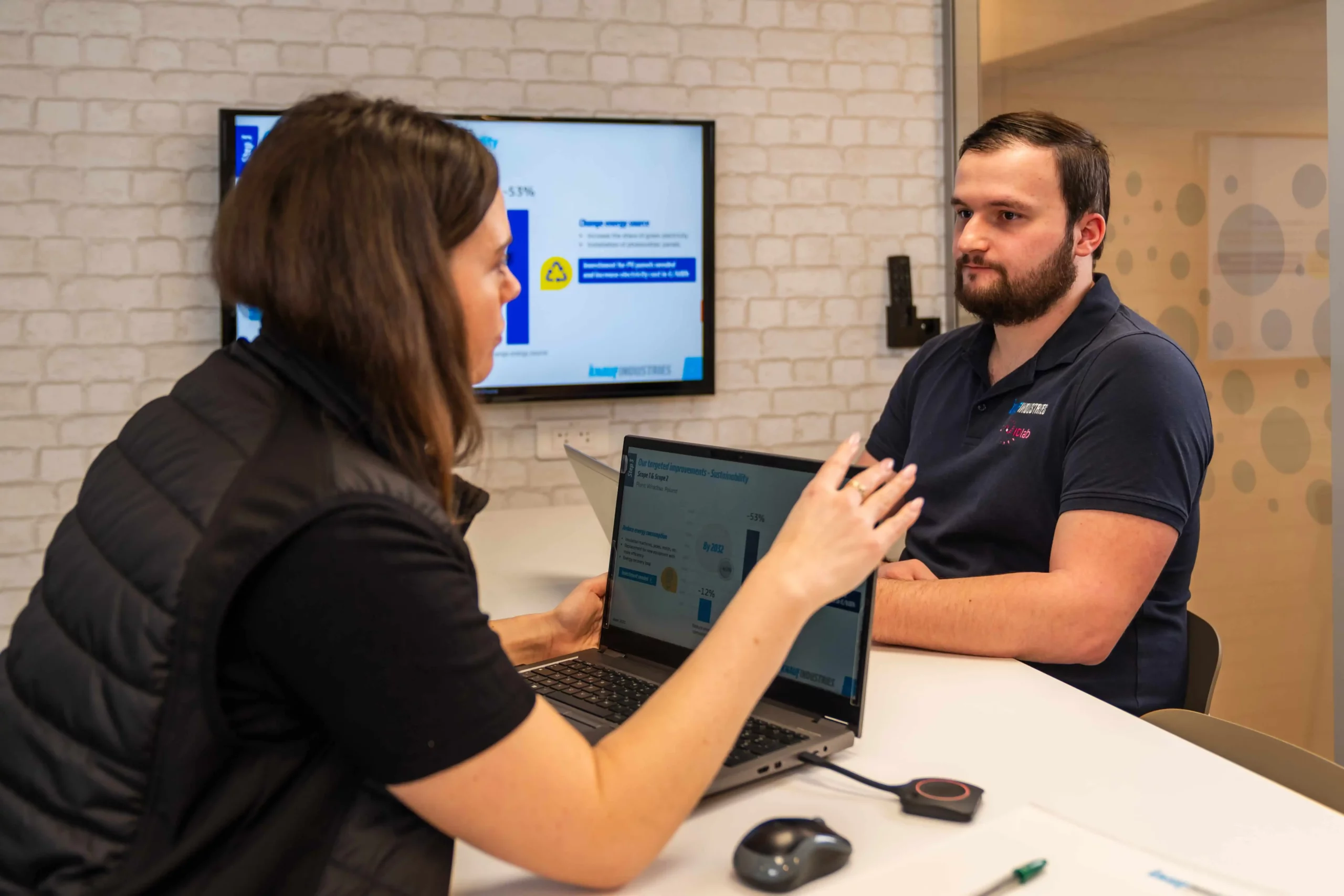
Eco-design of plastic parts only makes sense if it translates into concrete results. And to achieve this, we use measurement and control toolsWe use measurement and control tools, deployed right from the initial reflection phase, to evaluate real gains. With this in mind, Knauf Industries offers you a wide range of solutions enabling you to measure the impact of actions undertaken :
- Impact analysis Our carbon calculation tool enables us to identify priority impacts, carry out sensitivity analyses and determine the best carbon gain options. We can carry out Life Cycle Analyses (LCA), as well as FDES, EPD and PCF analyses.
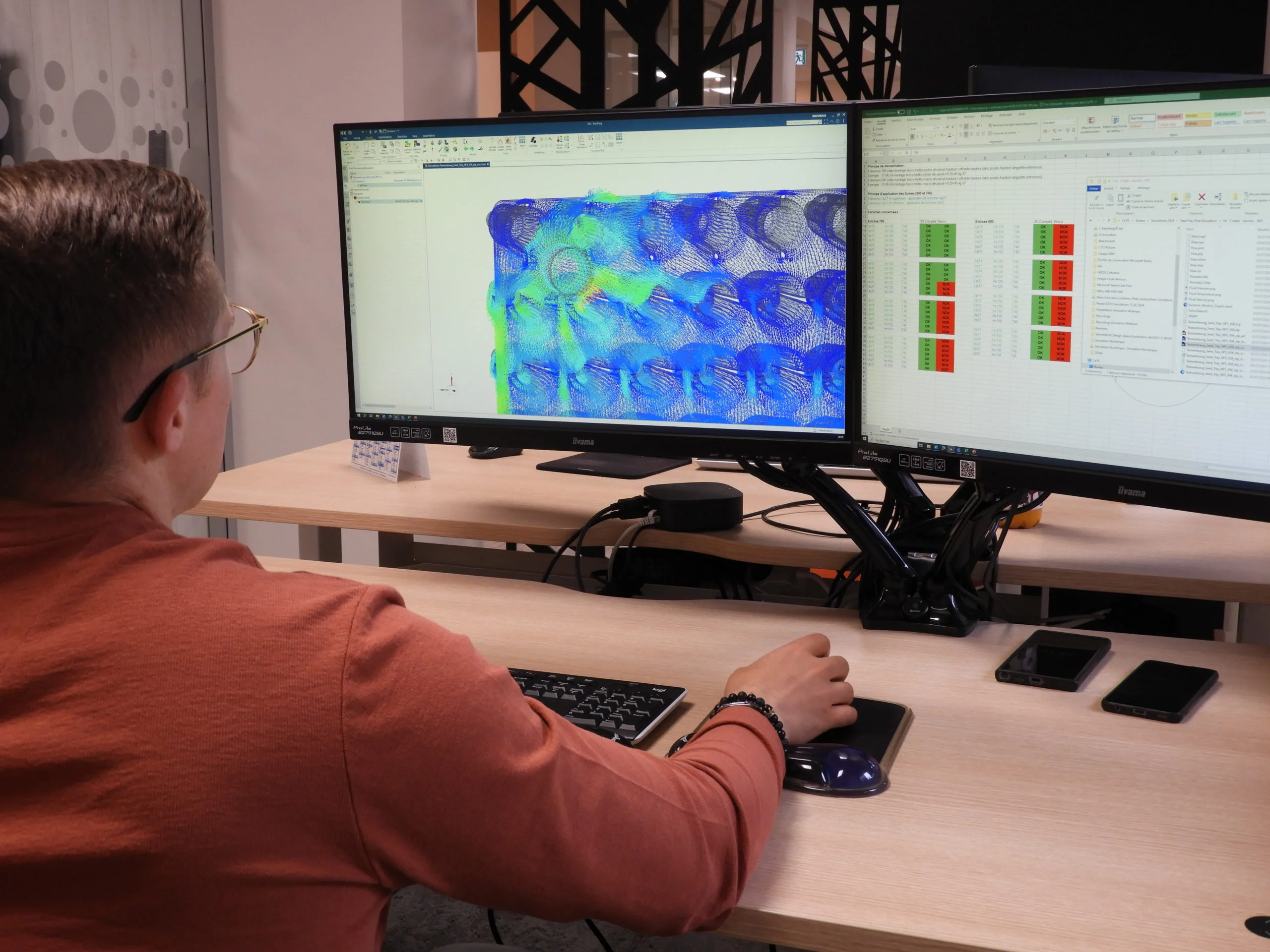
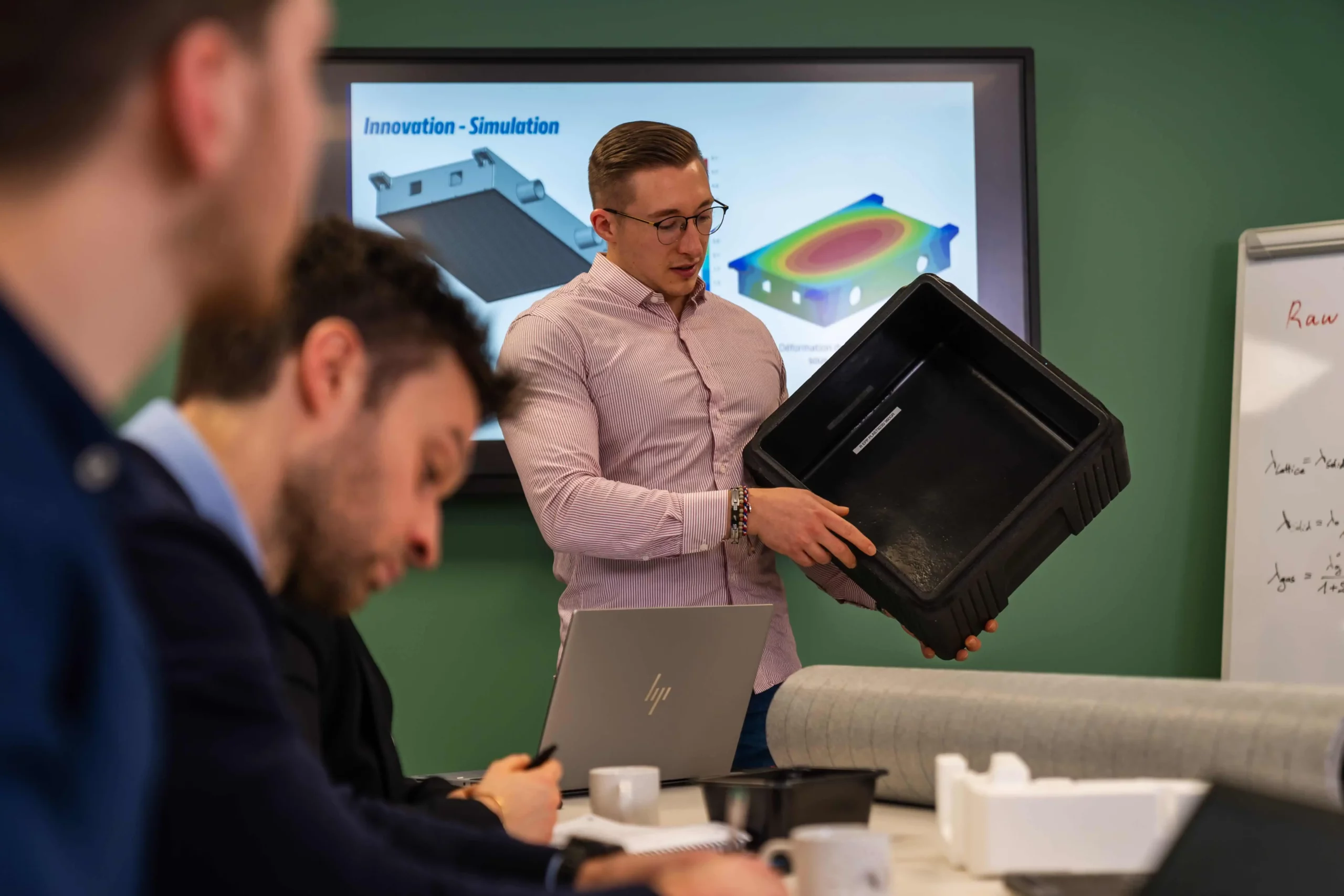
- Numerical simulation Numerical simulation: we evaluate the constraints of the product in its environment to optimize the design (choice of material, weight reduction, mechanical strength, protection).
- Testing and prototyping laboratory Testing and prototyping: tests as close as possible to real-life conditions to guarantee integration into your applications, quality and performance, using a 3D scanner, 3D printer and 3D machining equipment for cellular foams.
Logistics optimization Logistics optimization: calculation software to support secondary/tertiary packaging design and improve stackability, fill rate and stability.
A portfolio of materials designed for eco-design
To respond to the concrete challenges of eco-design, we use recyclable and recycled materials (EPS, PPE, PS, PP, PET) as well as alternative materials that contribute to the circular economy and allow us to complete the 3R loop and go further in optimizing environmental impact:
- NEOPS® honeycomb material derived from biomass(1) (green waste) certified according to REDcert² (mass balance(3)), reducing the use of fossil resources and CO₂ emissions.(2)
- CELOOPS® foam material derived 100% from the chemical recycling of post-consumer plastic waste, certified according to REDcert² (mass balance(3)). The "recycled" raw materials are introduced and mixed upstream, then their share is attributed to the final product according to the mass balance(3) method.
- RELOOPP® and RELOOPS® : honeycomb material solutions containing recycled content, manufactured from pre-consumer and post-consumer recycled PPE waste, and post-consumer PS or EPS waste (% recycled to be defined according to the grade of material required), opening up potential access to eco-contributions under the EPR chain.
- R'KAP® a material dedicated to injection and thermoforming, derived from chemical recycling and certified according to REDcert² (mass balance(3)).
- Carbon black-free solutions (e.g. Kaplight) to improve sorting and detection at end-of-life.
1. The sustainable renewable resources used come from biomass, i.e. industrial waste unsuitable for food uses or organic waste (green waste from the forestry industry, not involved in deforestation, no competition with agricultural land intended for food production). Directive (EU)
2015/1513), Annex IX, Part A
2.Internal calculations, using GHG Protocol method, with internal average data for France 2022, cradle-to-gate
3. Mass balance is a certified allocation method that accounts for recycled sustainable raw materials co-processed with conventional materials, then proportionally allocates their quantity to finished products, even without direct physical traceability.
We eco-design plastic parts for a wide range of markets:
Thanks to our lightweighting, material substitution and mono-material solutions, we can help you to improve the carbon footprint of your plastic parts in a wide range of sectors. In fact, as experts in the eco-design of plastic parts, we have developed solutions solutions to suit the needs of all professionals.
So, whether you're looking for sustainability, end-of-life impact reduction or reuse, you can benefit from Knauf Industries' expertise to design solutions that meet your challenges. solutions to meet your challenges. As specialists in co-development, we develop tailor-made parts that give you a competitive edge in meeting the expectations of our partners and their customers.
Our expertise is particularly evident in the following sectors:
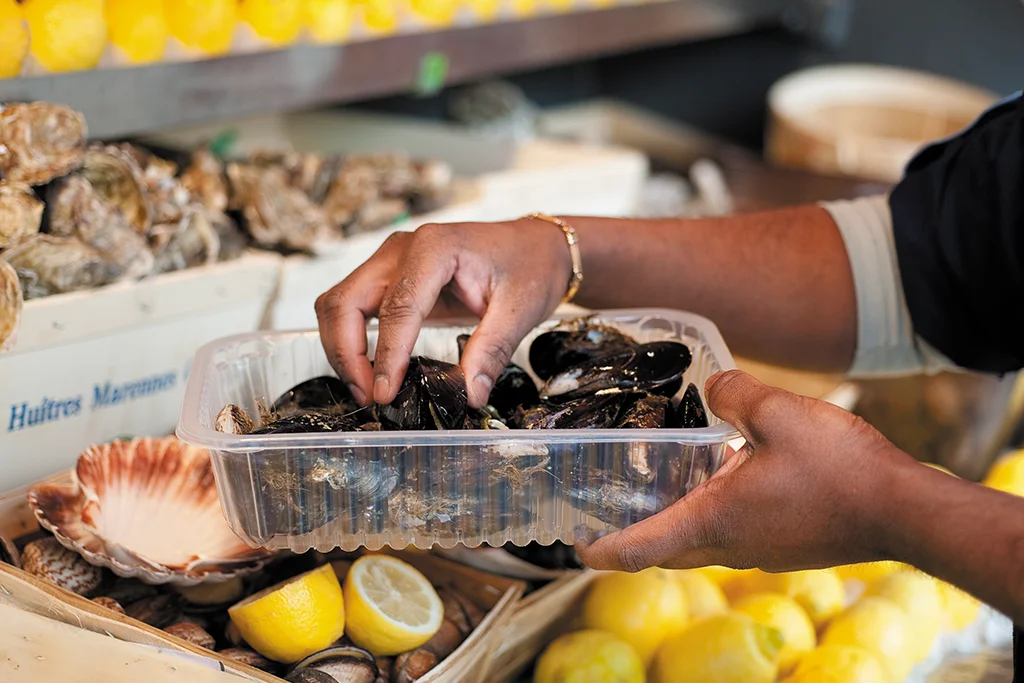
Food industry
- Lightweight packaging, compliant with food standards and regulations, designed to preserve your products.
- Reducing transport-related CO₂ emissions by lightening and optimizing formats.
- Reusable solutions compatible with food uses.
Example: Kary® Résist®+ lightweight thermoformed tray: thanks to numerical simulation, 22% lighter, 7.7 tonnes of material saved and 77 tonnes of CO₂ avoided per year based on 100,000 units(1).
1 In-house calculations, using the Protocol GHG method, with internal average data for France 2022, cradle-to-gate.
Industry
- Lightweight, robust technical parts and customized packaging to protect and optimize mechanical performance.
- Single-material design wherever possible, anticipating recyclability constraints.
Example: Protective packaging made from NEOPS® material: up to -52% CO₂ eq. emissions compared with equivalent EPS padding.(1)
1. In-house calculations, using the GHG Protocol method, with internal average data for France 2022, cradle-to-gate.
HVAC
- Replacement of metal parts with lightweight, robust PPE solutions to reduce overall weight.
- Improving the thermal performance of systems to optimize energy consumption.
Example: FLOWAIR has replaced the traditional steel casings of its units with PPE elements, drastically reducing unit weight. The manufacture and transport of equipment fitted with these elements resulted in a reduction of almost 50% in CO₂ emissions compared with equipment fitted with steel structures.
Furniture
- Substitution of plywood by lightweight, recyclable alternatives (e.g. expanded polypropylene).
- Solutions aligned with modern design requirements, without compromising on durability.

Case study: Eco-design in furniture
Profim, Europe's leading office furniture manufacturer, has collaborated with Knauf Industries to reduce the impact of its products while maintaining quality and durability. Profim opted to replace plywood with expanded polypropylene.
By reducing energy consumption at all levels, from manufacturing to distribution, it has been possible to carbon footprint by up to 40%. In fact, the production of Revo furniture emits just 163 kg of CO₂emissions, while the component weight of just 9.5 kg translates into reduced fuel consumption during transport. Overall, this means a carbon footprint reduction of 13% and 40% compared with standard furniture made from wood or wood-based raw materials. The whole process also results in enhanced product recyclability (1).
1. In-house calculations, using Protocol GHG method, with internal average data France 2022, cradle-to-gate
The result: a sustainable, competitive solution in line with consumer expectations and regulatory requirements.