The challenges of recycling plastic materials, parts, and waste
Indispensable in many applications thanks to their unique properties, plastics offer advantages that few other materials can match. However, their life cycle, from the extraction of raw materials to the end of their useful life, has an impact on the environment and society.
Faced with these challenges, Knauf Industries is actively committed to innovation and promoting reuse and recycling loops in order to find solutions that meet market demands.
Knauf Industries' commitment to plastic recycling: promoting circularity
Plastic offers undeniable advantages for manufacturers and professionals, such as lightness, freedom of customization, and adaptability to temperature constraints. However, its use must evolve to meet current environmental and regulatory challenges.
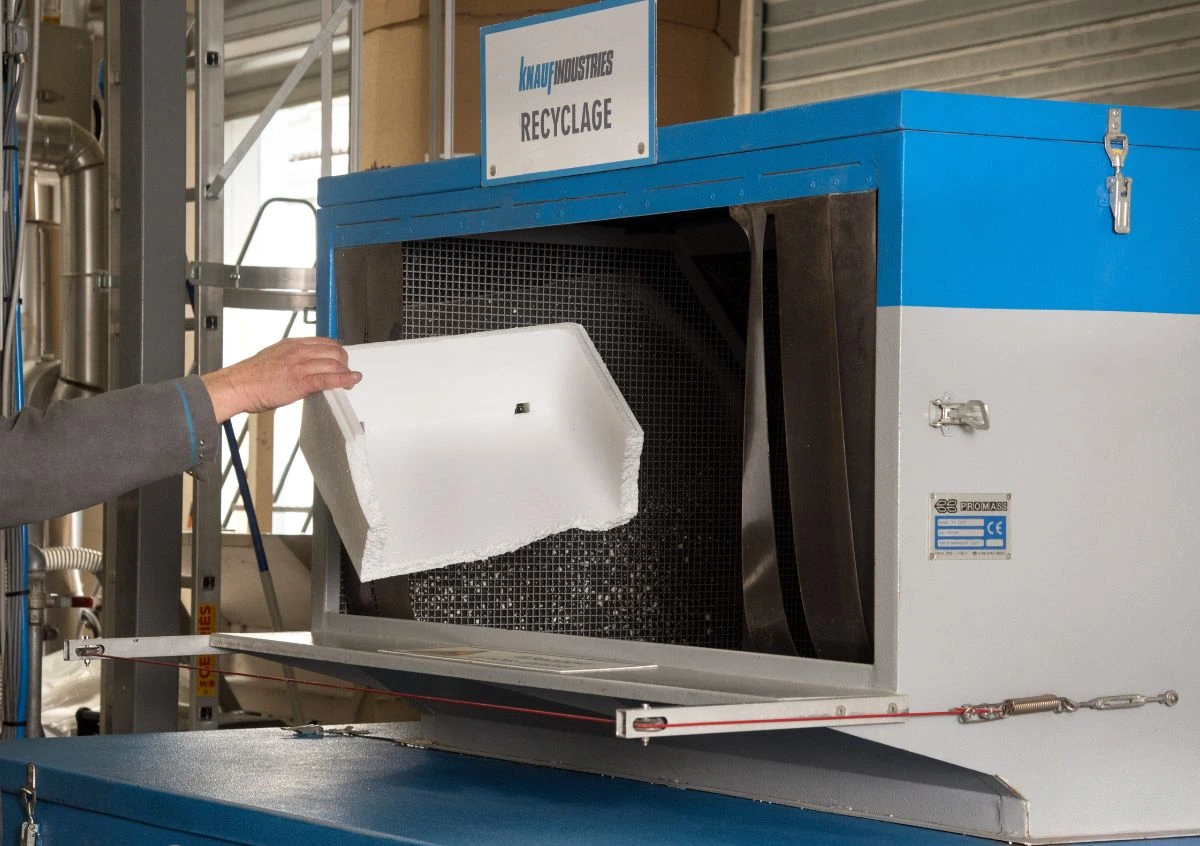
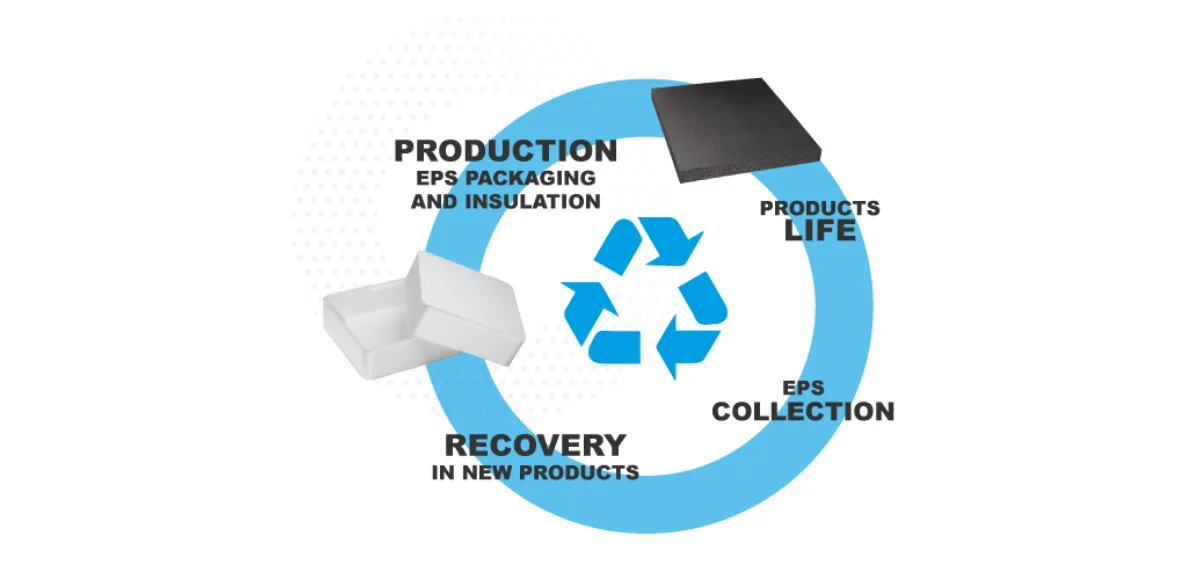
With this in mind, we are increasing circularity by recovering end-of-life EPS products to ensure they are recycled. We are therefore working with all stakeholders to ensure that all EPS waste is collected and integrated into a recycling chain.
As such, Knauf Industries intends to become a leading player in the recycling of expanded polystyrene (EPS) and expanded polypropylene (EPP). We are also developing responsible product design, with a view to ensuring recyclability from the outset.
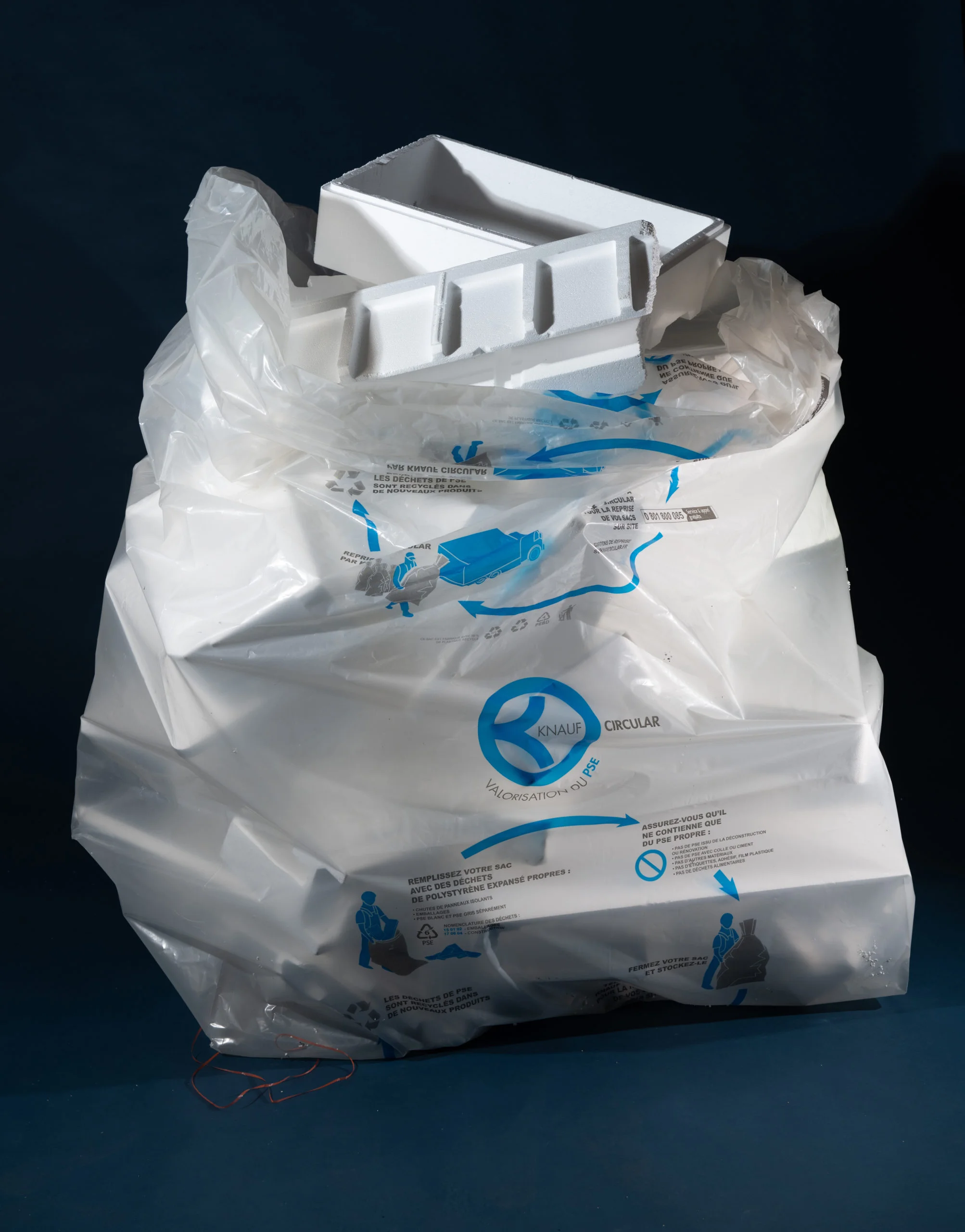
Understanding how Knauf Circular® works in two minutes:
1. Collection and sorting at source
- Provision of 1 m³ bags for collecting EPS waste.
- Collection within 10 days for 20 bags or more.
- Traceability ensured by the provision of a waste collection slip.
2. Local pre-treatment
- Shredding and, depending on the flow, compaction at our sites or at our partners' sites.
3. Recycling and reintegration
- Processes entirely carried out by our specialized teams.
4. Second life
- Your waste is recycled into new parts.
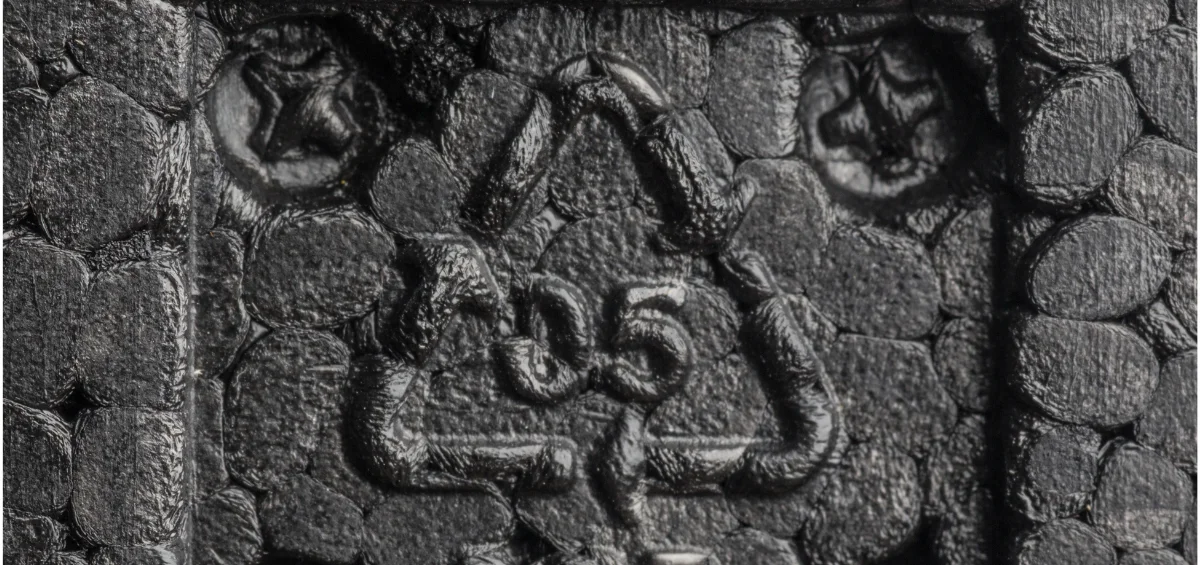
Recycling at scale by Knauf Industries
Committed to offering our customers solutions that comply with the latest regulatory developments, we are now contributing to the recycling process for your plastic waste and scrap, in accordance with the European PPWR (Packaging and Packaging Waste Regulation), through our subsidiary Knauf Circular®.
To summarize this definition, packaging is not considered recyclable simply because it can theoretically be recycled. It must be recycled in practice and on a large scale in existing systems.
According to the regulation, this means that packaging must be collected separately, sorted efficiently, and recycled in existing industrial facilities, in significant volumes on a European scale.
Knauf Industries makes compliance with this regulation viable, thanks to Knauf Circular® and its 15 production sites dedicated to recycling EPS plastics.

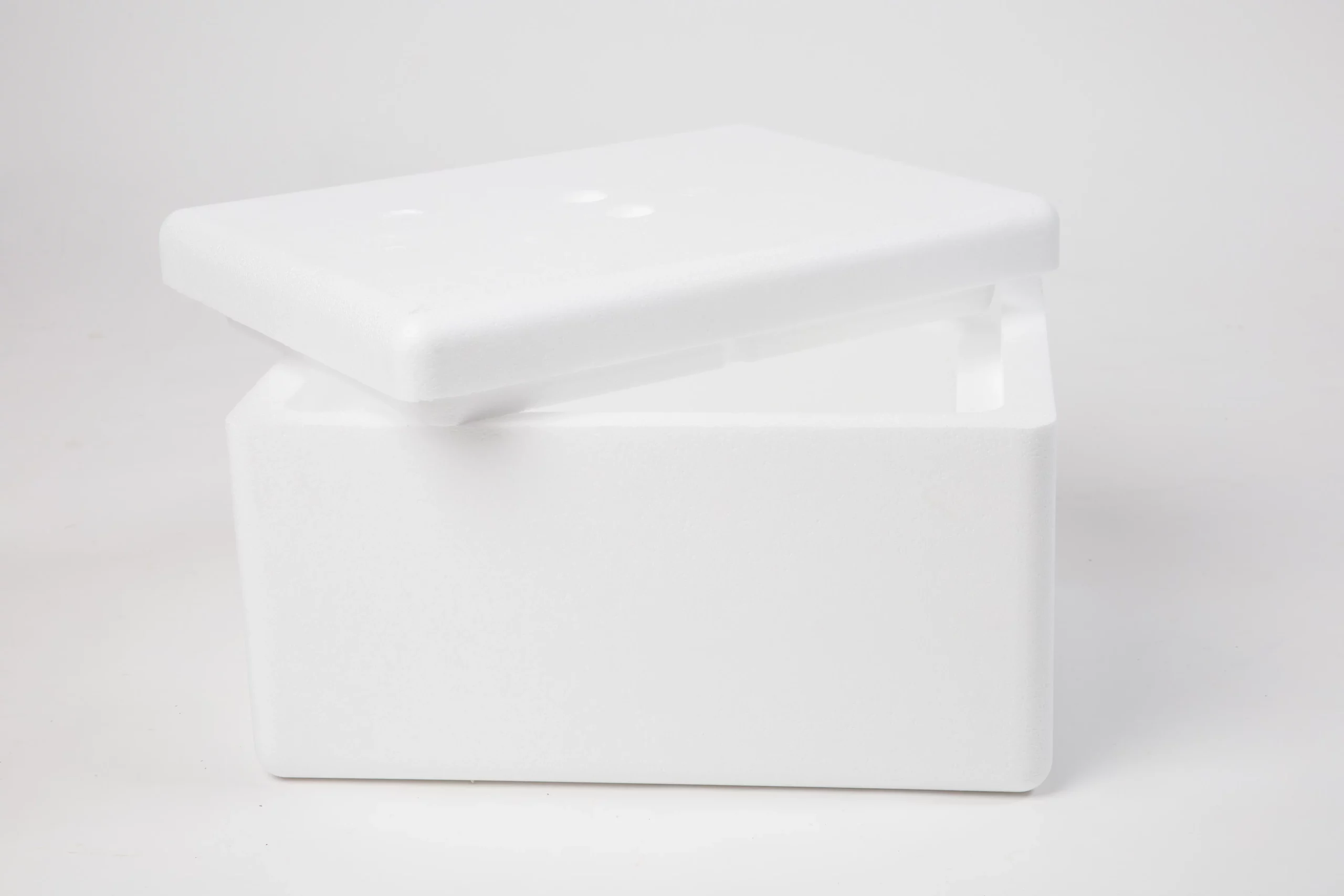
PSE and PPE: two recyclable materials
Convinced that recycling is one of the keys to the responsible use of plastics, we offer our customers the design and manufacture of their parts using two materials that have suitable recycling channels:
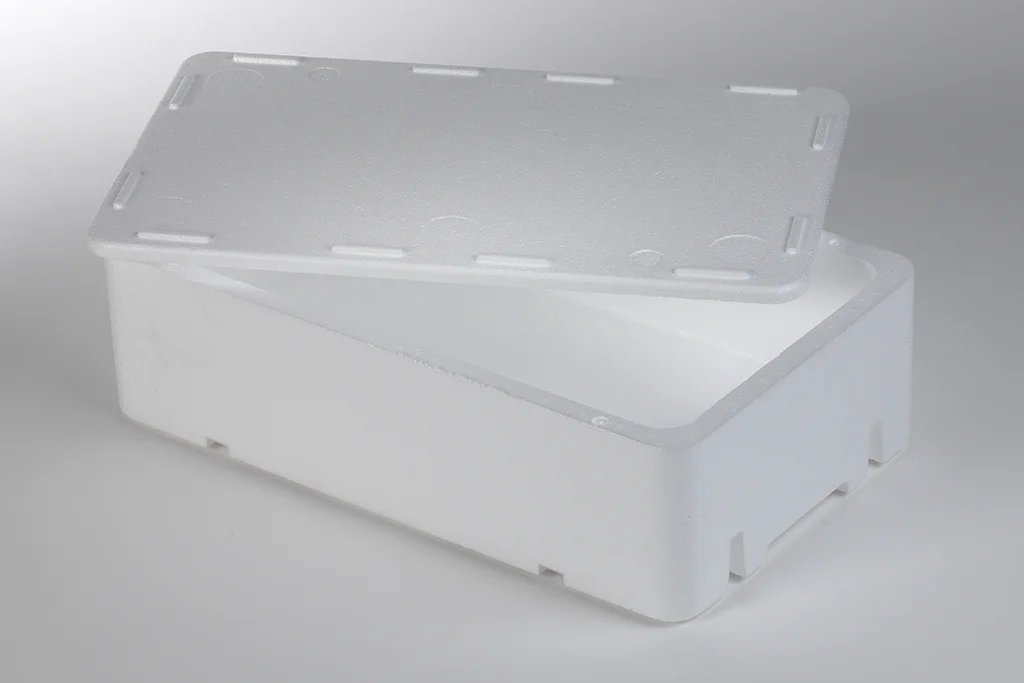
Recycling EPS
Knauf Circular® enables EPS to be recycled using two methods:
- Either the collected waste is crushed and recycled at our closed-loop processing sites, where clean EPS waste is reintroduced into production.
- Or the collected waste is crushed, compacted, and then sent locally to recyclers or partner companies. It is then recycled in Europe in an open loop.
In both cases, your waste will be recycled and used to make a variety of polystyrene products: thermal insulation for buildings, technical components for industry, and everyday products.
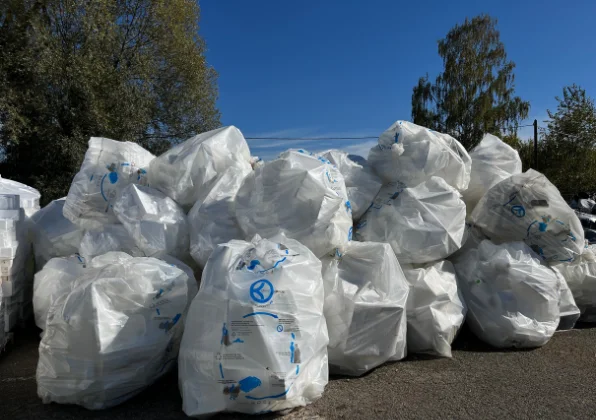
Pieces designed from the outset with circularity in mind
As a committed player in the field of EPS and EPP plastic recycling, Knauf Industries does everything possible to promote the responsible use of these materials. And this starts right from the design stage of our customers' parts.
In recent years, we have increasingly favored the use of recyclable raw materials and have made every effort to deploy eco-designed parts. Whether manufacturing components using plastic injection molding, thermoforming, or cellular molding, we offer our customers solutions that reflect our commitment to the 3Rs:
- Reduce;
- Reuse;
- Recycle.
Want to benefit from our expertise in eco-design? Contact us.