EPS protection for safe, sustainable transportation of household appliances

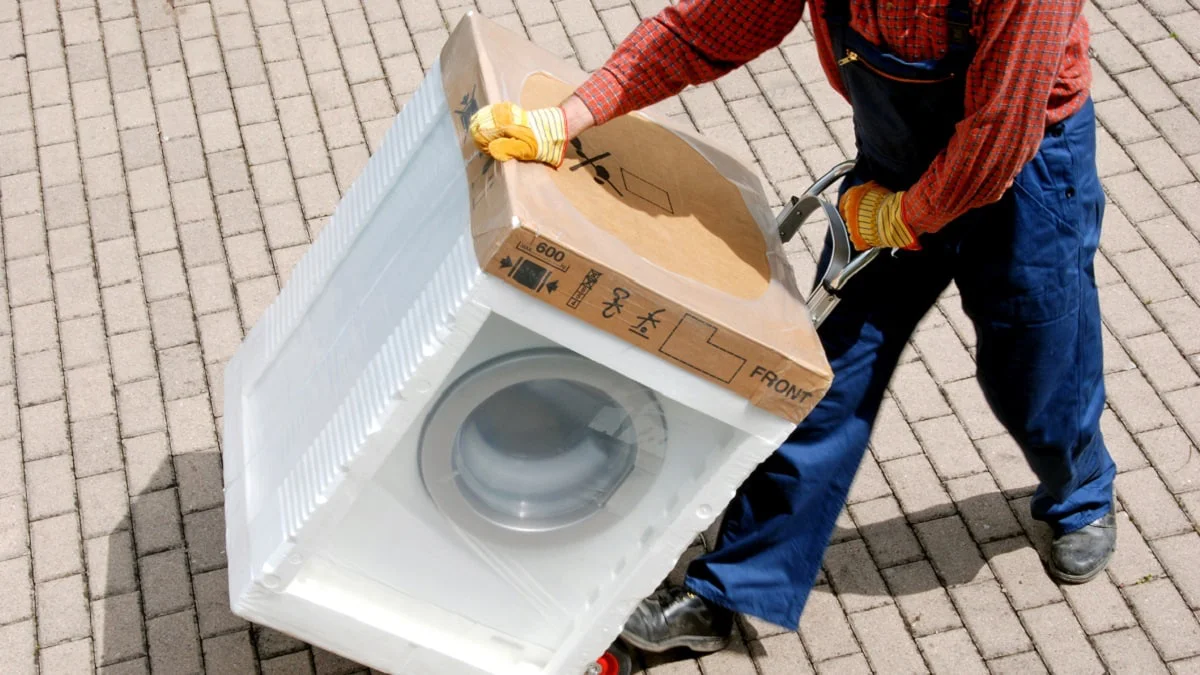
Any time you buy an appliance – whether a simple washing machine or a complex HVAC system – it will arrive packaged in some kind of expanded polystyrene (EPS) exoskeleton. This EPS protection is absolutely vital to ensure that you receive your purchase in perfect condition.
The choice of packaging is not a matter to be taken lightly. It also has an impact on the customer experience and on the manufacturer’s costs and brand reputation.
We are going to take a look at how the transportation of household appliances is different from other kinds of deliveries and why EPS stands out compared to alternative packaging solutions.
Introduction to EPS protection for household appliances
Choosing the right packaging materials can be the difference between successful delivery and disaster.
When transporting household appliances in particular, EPS is the most suitable packaging option because it is light, offers resistance against vibrations and impacts, and provides protection against sudden changes in temperature. And because of its unbeatable cost, there are more possibilities for customisation and recycling.
Benefits of EPS packaging for the transportation of household appliances
EPS, or expanded polystyrene, is a plastic material made up of 98% air. This makes it a truly unique material that is light, strong, versatile, environmentally friendly and extremely economical.
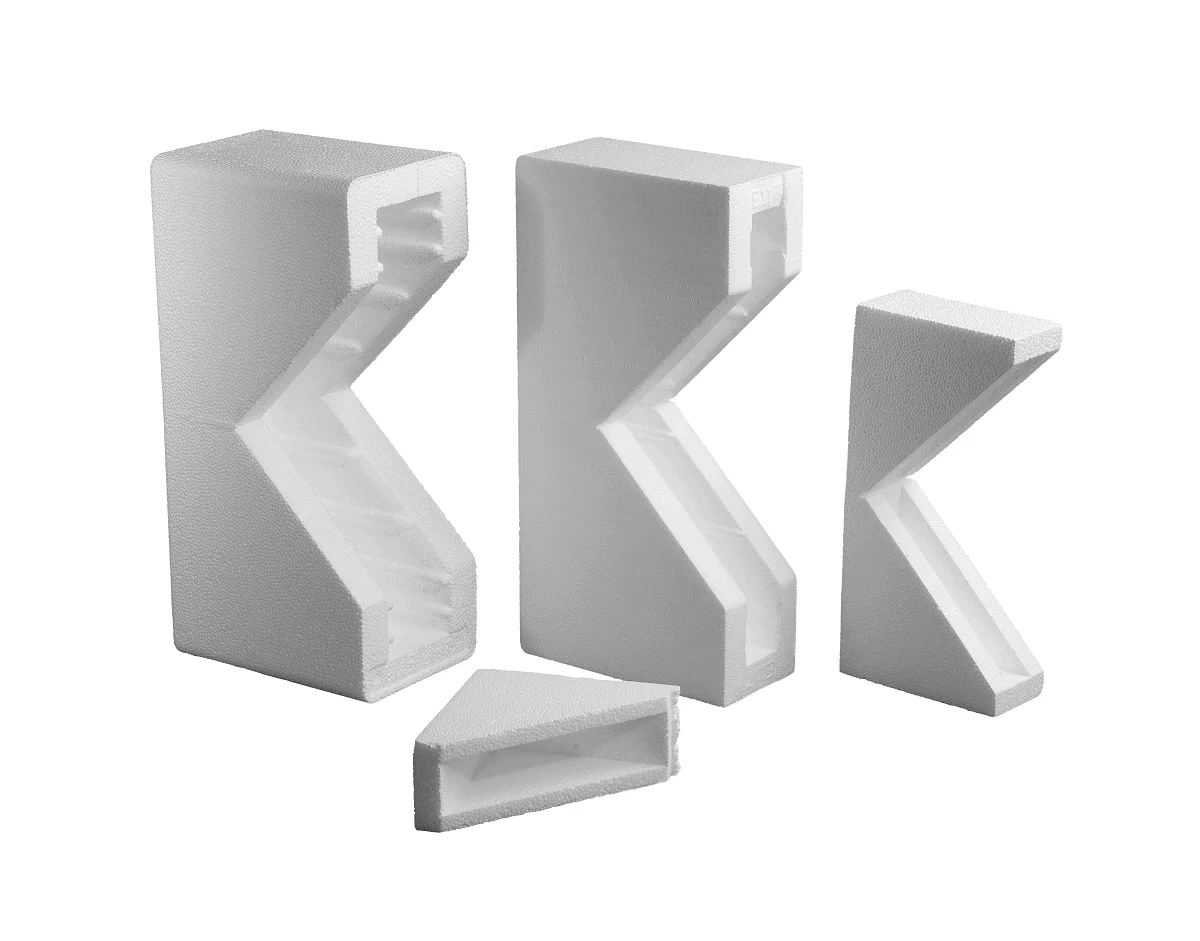
Durability and impact resistance
EPS has a rigid structure made up of solid beads. This composition provides excellent vibration damping and impact resistance, two of the most important factors when transporting goods.
In fact, the damping factor of EPS is up to twice as high as that of other materials. In practical terms, this means extra insurance in situations such as:
- Careless handling during storage, transfer, loading and unloading.
- Accidental falls in any of the above situations.
- Vibration and twisting during transportation due to potholes, gradients or curves.
Although it is not completely waterproof, it is highly water resistant. This ensures the integrity of the packaging even in the event of a water incident, such as a leak in the warehouse or rain entering the truck.
Lightweight and cost-effective
Only 2% of EPS is plastic material. The remaining 98% is just air. This makes EPS an extremely lightweight option to help minimise transportation costs.
It is estimated that it can reduce the weight of packaging by up to 20% and therefore reduce fuel consumption. Undoubtedly, with current inflation rates, this is an important factor to take into consideration.
Being light and highly rigid, it also helps to maximise the use of space. By using suitably customised packaging solutions (more on how to do this later), it is possible to increase the load capacity per pallet by up to 25%.
Environmentally friendly and recyclable
EPS can be recycled using highly energy-efficient mechanical processes and therefore has both a low environmental impact and great potential for the creation of new materials (rEPS). In fact, EPS can be recycled up to 7 times without any deterioration.
When it comes to industry, this recycling is facilitated using specific collection points. This is the Knauf Circular programme designed by Knauf Appliances. Contrary to popular belief, unlike other plastic materials, EPS can be easily and efficiently recycled if the right programmes are put in place.
This potential for recycling means it has a lower carbon footprint compared to other fossil-based materials. It is even lower than that of some plant-based materials.
This low carbon footprint is also partly due to its environmentally friendly production process. The EPS cells are formed using steam. This process keeps water consumption down. And the steam can be reused.
On top of that, the manufacturing process itself is extremely efficient. Any pellets that are not used or fall off during the cutting process are reintroduced at the start of the process. Many of our factories are also Operation Clean Sweep (OCS) certified, which guarantees that pellets are contained internally to prevent unintentional pollution of the environment.
As a result, we have a material that is environmentally friendly but unfairly criticised by some people because its carbon footprint over the entire life cycle is not taken into consideration.
We also work with CELOOPS® (plastic foam made from post-consumer recycled plastics) and NEOPS® (plant-based plastic), two circular materials that offer the same performance as EPS.
Customisation options for EPS packaging
EPS is a plastic foam that is easy to mould and can be used to manufacture customised packaging to suit different shapes of products. This guarantees maximum protection during transportation, whether for a television, a refrigerator or an air conditioning unit.
Visual impact
Marketing experts often refer to packaging as ‘the silent salesman’. It is the first thing the customer sees and should reflect the company’s brand values.
Choosing standard off-the-shelf packaging may reduce costs, but it will never be the best solution in terms of safety, visual impact or customer experience. When it comes to the customer experience in particular, you only get one chance to make a good first impression. And all hope of a good impression will be lost if the appliance arrives broken, scratched or with secondary packaging in poor condition.
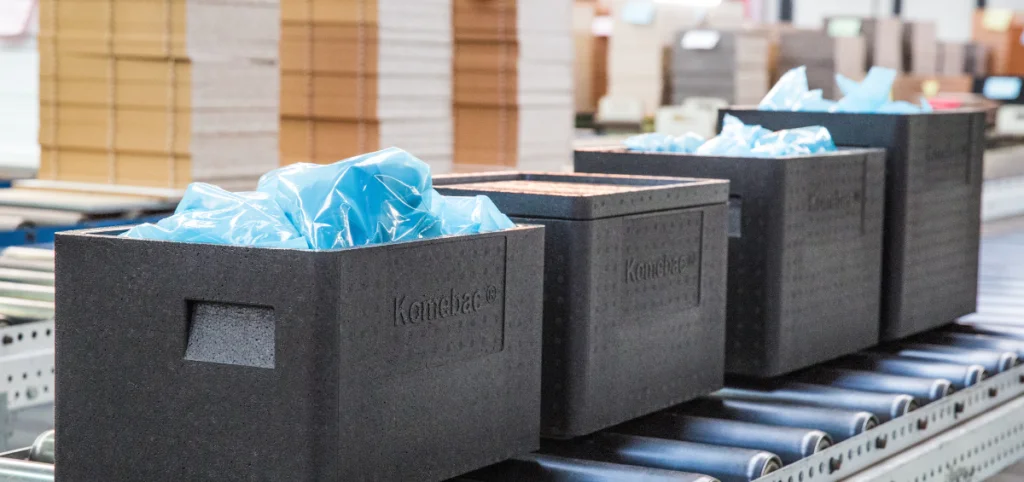
Our R&D lab develops custom packaging solutions to suit the needs of each client. Being easy to mould, EPS foam can be used to produce a variety of shapes, sizes and densities. It is even possible to add colours to present your product in your corporate colour scheme.
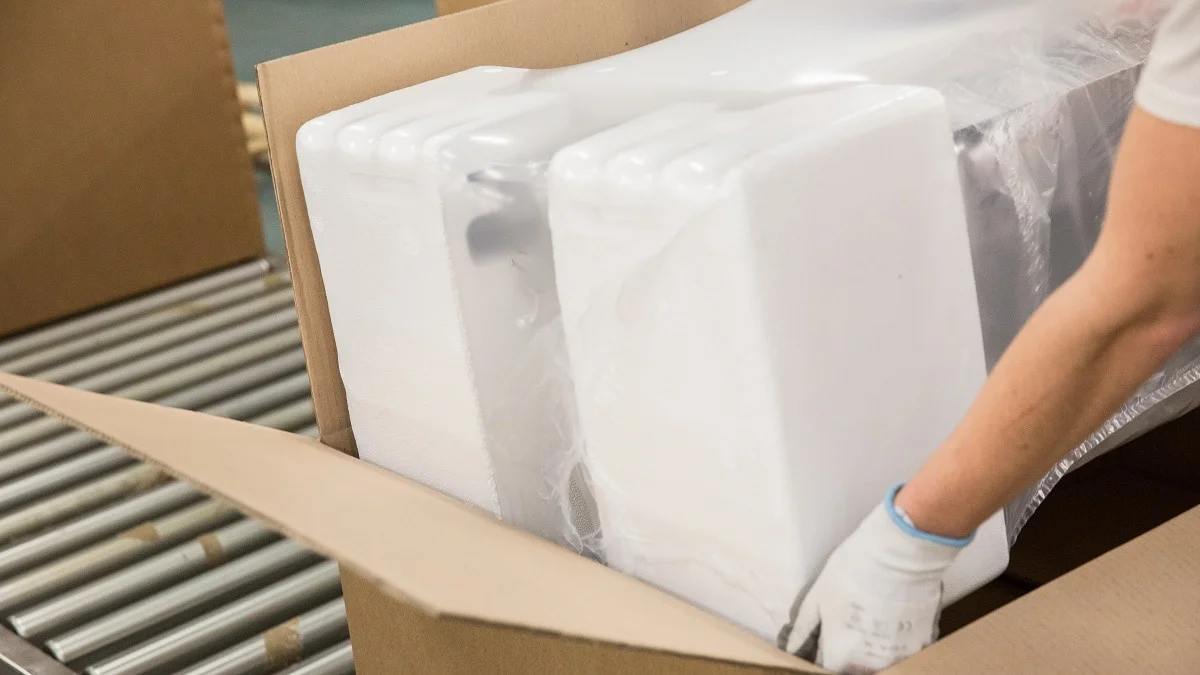
Impact of customised EPS packaging on logistics and shipping
Logistics processes often need to run at breakneck speed. It is simply not possible to handle every package with extreme care. If you want deliveries to arrive safely and securely at their destination, it is important to opt for packaging materials that are easy to handle, optimise space in transport and storage and protect the product from damage.
Since it is better to be safe than sorry, any step that can minimise damage to goods will lead to a lower breakage rate. Breakages in transit are a real headache for many businesses and often mean offering discounts for damaged products and organising returns.
But, above all, it means financial losses and damage to the brand’s reputation.
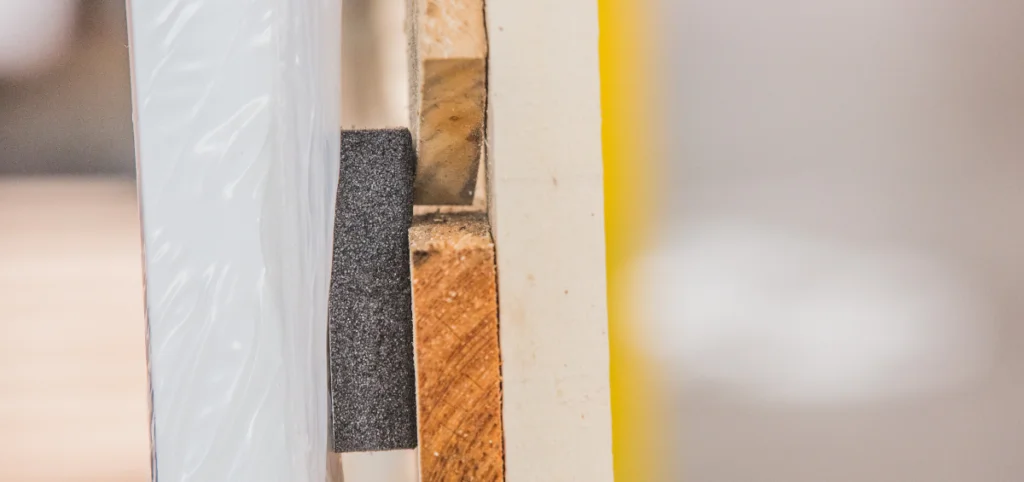
Custom EPS packaging, including blocking, protection and palletising solutions (such as blocks, wedges or dividers) helps to minimise the damage caused by vibrations or falls during handling and transportation. This is because EPS has excellent mechanical strength and damping properties.
Vibration damping using EPS
Ignoring the potential damage that vibrations can cause to electronic devices is an oversight that unfortunately is often discovered by the end-user once they try to use their device. The package left the warehouse in perfect condition, arrived on time, the outer packaging was intact and the device appeared to be undamaged. But it didn’t work. What went wrong?
Easy: the product has been damaged internally. Electronic products are very sensitive to vibrations. The rattling of the truck, bumps, curves, braking and other forces cause micro-movements that can dislodge small components. That is why the device didn’t work.
Now imagine the cost of returning an HVAC unit which has already been installed, the amount of potential compensation to be paid to the customer for damages and the devastating impact on the manufacturer’s reputation. All because they failed to use appropriate protection when packaging their product.
The best way to avoid this kind of scenario is to use EPS packaging. Not only does it absorb strong impacts, such as accidental falls; it also dampens those vibrations that can be seriously damaging for electronic devices.
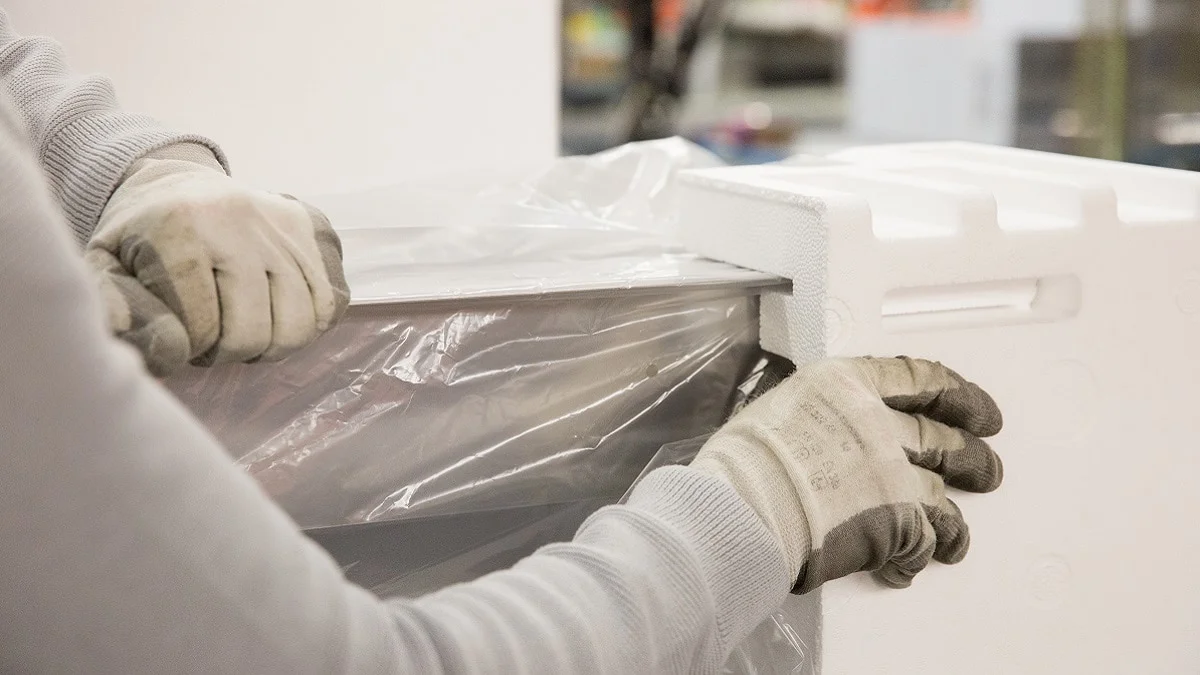
Thermal insulation with EPS packaging
EPS is made up of 98% air. This means that it provides good thermal insulation and protection against humidity to prevent condensation forming inside the packaging.
This property is priceless when it comes to transporting digital equipment. It is important not to forget that digital devices and microprocessors are highly sensitive to temperature changes and condensation. And these can easily occur when equipment goes from a constant temperature in a warehouse to a truck out in the sun at over 40 degrees in summer or sub-zero temperatures in winter.
Why choose custom solutions from Knauf Appliances?
At Knauf Appliances, we have extensive experience delivering unique custom solutions for every client. Just tell us what you need and our R&D lab will find the best solution to ensure your deliveries arrive in perfect condition. Contact here.