What are the main characteristics of expanded polystyrene?
Do you need an effective material for your thermal insulation work? Moisture-resistant panels for walls, or panels to insulate noisy equipment? Is it possible to find a material that is efficient, economical and durable?
Expanded polystyrene has evolved over the years to meet new industrial challenges. It is now one of the most popular insulating materials, as much for its thermal performance as for its recyclability.
Compared to extruded polystyrene (XPS), for example, EPS is easier to produce, more manageable and more affordable. Here are the advantages and disadvantages of expanded polystyrene for your technical solutions.
What are the advantages of expanded polystyrene?
Here are the advantages of expanded polystyrene for your renovation, construction, packaging and technical parts projects:
- Exceptional insulating power
- Compressive strength
- Moisture resistance
- Easy to install
- Affordable price
- Recyclability
- Long service life
- Wide range of customization options
What are the disadvantages of expanded polystyrene?
It is also important to know the disadvantages of expanded polystyrene:
- Flammability (must be combined with non-flammable materials)
- UV sensitivity
- Low resistance to rodents
5 common misconceptions about expanded polystyrene
1. Expanded polystyrene is a pollutant
FALSE.
Did you know that expanded polystyrene is made up of just 2% material and 98% air?
As a result, this material uses very little raw material in its production, and very few resources such as water. It is derived from a refinery by-product, naphtha, which cannot be reused as a fuel.
Only 50% of its total primary energy is used in its life cycle, the remaining 50% is material energy, i.e. the energy contained in the product that will never be used (unless the EPS is incinerated at the end of its life to recover this energy).
As far as transport is concerned, expanded polystyrene solutions are very light and reduce the plastic carbon footprint. What’s more, this insulating material is produced locally, so its environmental impact is limited.
2. Expanded polystyrene is not recyclable
FALSE.
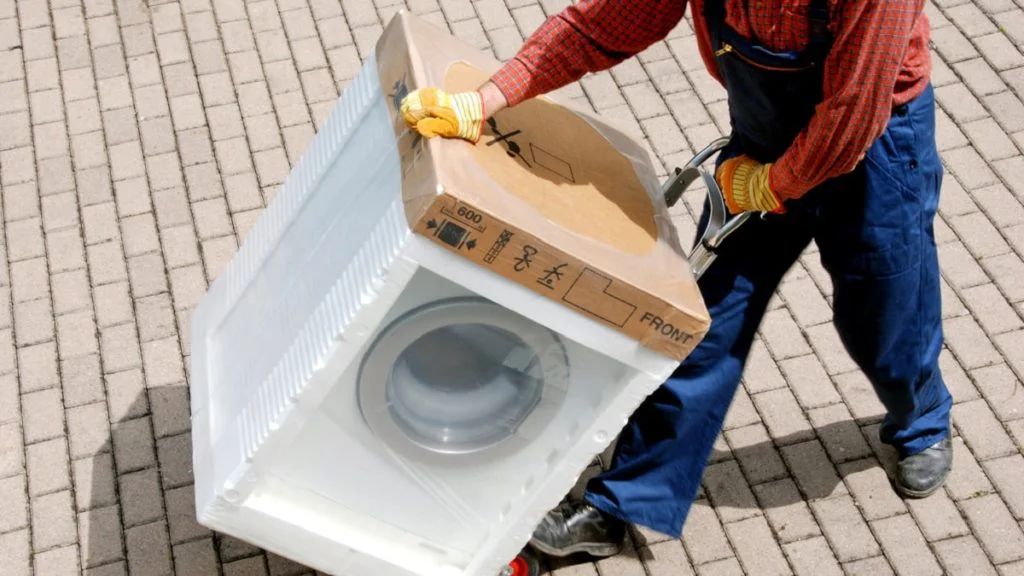
If there’s one common misconception that’s hard to shake, it’s this one. Particularly for consumers who don’t know what to do with the shim of their TV or household appliance.
However, EPS is recyclable and recycled in the Knauf Circular® program and in dedicated channels. That’s one of the great advantages of this insulating material!
Recovered at the end of their life cycle, EPS panels, sheets and packaging are first shredded and then, if necessary :
- Compacted and redirected locally to recyclers and partner companies for recycling into new products in Europe
- Reintroduced into new production, new polystyrene cushioning or insulation parts as part of a circular economy approach
Knauf Industries has set up the Knauf Circular® program to collect EPS in the workplace. For private individuals, EPS can be disposed of at waste collection centers, and soon in yellow garbage cans.
All our expanded polystyrene insulation complies with current regulations on thermal and acoustic efficiency. Whatever your sector of activity, we meet the sustainability and energy performance requirements imposed by your standards, and support you in the recyclability of your products.
3. Expanded polystyrene is for shimming only
FALSE.
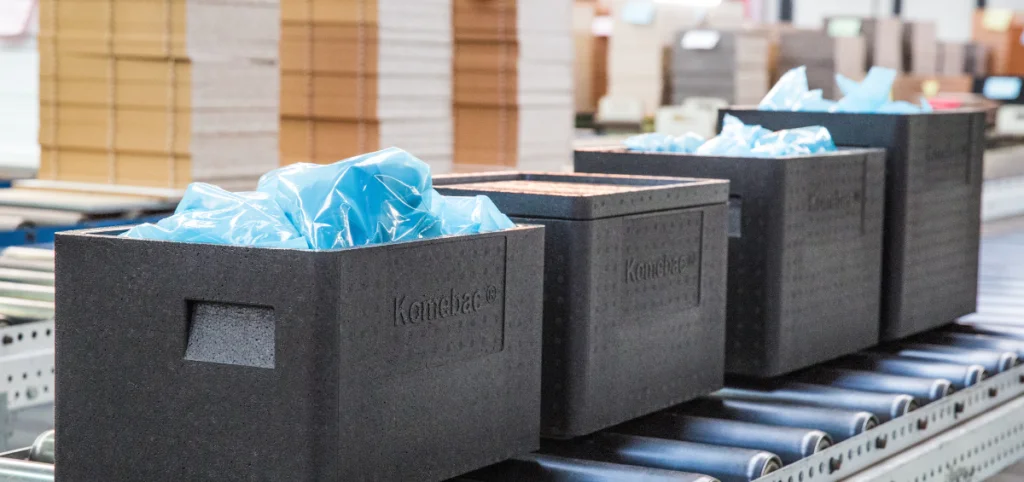
One of the main advantages of expanded polystyrene is its extreme versatility. Thanks to its composition and molding capabilities, it can be used to protect, package, transport and preserve your sensitive products and equipment in complete safety.
The first use that everyone imagines is for wedges to protect household appliances against impact, or for isothermal EPS crates isothermal crates for transporting fish back to port.
But did you know that PES makes life safer for people and animals?
Here are some examples of EPS products:
- Vaccine transport crates
- Bee hives
- Boxes for transporting reptiles or fish sensitive to temperature variations
- Horticultural trays
- Bike, ski and snowboard helmets
- Surfboards
- Life jackets
- Children’s car seats
In addition to its protective function, EPS has a number of advantages:
- Shock absorption
- Thermal insulation
- Acoustic insulation
- Vibration protection
- Easy to shape (molding, cutting)
- Rot-proof and water-repellent
4. Expanded polystyrene is brittle and fragile
5. Expanded polystyrene is only available in white
What can we learn from expanded polystyrene?
Exceptional thermal insulation, astonishing mechanical strength and unrivalled workability? These are the undeniable advantages of expanded polystyrene, but it would be a shame to sum it up like this.
Choose solutions in EPS recyclable polystyrene to protect, insulate and lighten products, packaging and construction systems in all sectors of activity. Discover the best value for money in expanded polystyrene at Knauf Industries, and enhance the performance of all your industrial projects.