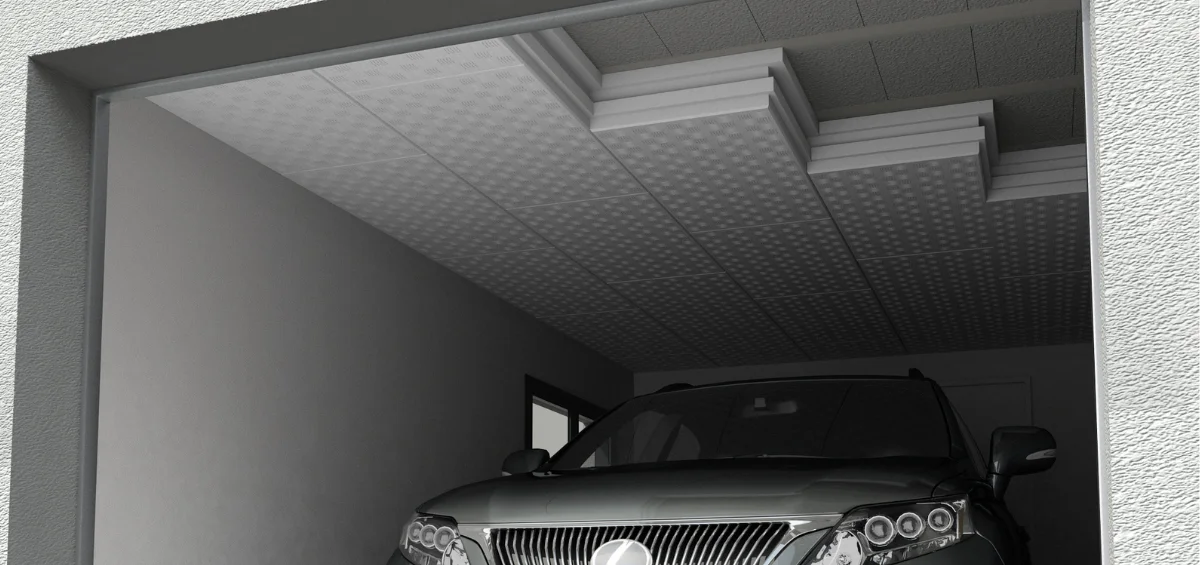
Why choose EPS insulation for your ceilings?

Optimizing thermal performance
Reduces heat loss and improves energy efficiency.
Quick and easy installation
EPS panels are lightweight and easy to install.
Aesthetics and durability
Provides an aesthetic finish while being durable and long-lasting.
Economical and ecological solution
Reduces energy costs and complies with environmental standards.

Why insulate garage and crawl space ceilings?
Insulating garage ceilings and crawl spaces can cut heating costs by up to 10%, by limiting heat loss. It improves energy efficiency and contributes to greater thermal comfort in the rooms above. By using durable insulation materials such as expanded polystyrene (EPS), you can optimize the thermal performance of your home while saving energy in the long term.
Choose solid, long-lasting materials to reduce your energy bills over the long term, while respecting the environment.

Advantages of EPS ceiling insulation
Expanded polystyrene (EPS) insulation is ideal for underfloor insulation. Isobox Isolation panels, such as Décobox 36, offer optimum thermal performance, ease of installation and impressive durability. They're lightweight, easy to cut and fasten, and provide impeccable airtightness. What's more, EPS offers aesthetic advantages, enhancing the appearance of ceilings while providing an economical and environmentally-friendly solution.
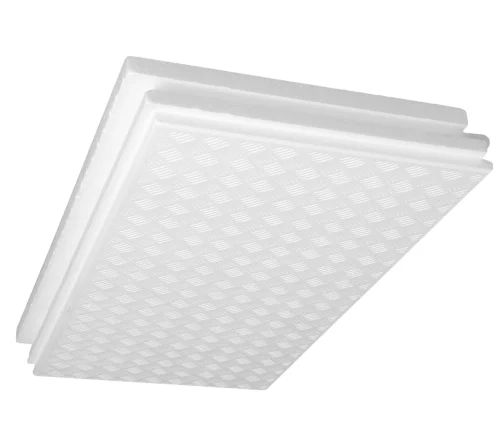
Garage ceiling insulation solutions
Our garage ceiling insulation solutions offer optimum thermal performance to improve the energy efficiency of your home. Décobox 36, made from molded EPS, is designed to insulate basement tops and crawl spaces. Easy to install, it ensures perfect airtightness, limits heat loss and improves thermal comfort. Compatible with all substrates and complying with safety standards, it guarantees long-lasting, environmentally-friendly performance.
Steps for installing under-ceiling insulation
Prepare and cut EPS slabs
Adjust the polystyrene panels to the dimensions of your ceiling.
Fixing EPS panels to the ceiling
Fix the tiles by screwing or gluing, depending on the type of substrate.
Check panel tightness
Check that the panels are properly joined to ensure a watertight seal.
Apply finishes and adjustments
Finish the installation with a neat and tidy finish.

Why choose Knauf Industries for your projects?
With over 90 years' experience, Knauf Industries is a world leader in PPE and EPS solutions. We offer high-quality products tailored to the needs of professionals in both new-build and energy-efficient renovation projects. Our Isobox Isolation solutions meet the requirements of single-family homes, apartment buildings and commercial buildings. What's more, we offer personalized technical support and tools to assist you at every stage of your project.
