Advantages of lightweight HVAC systems and how to achieve it

Blog Post Featured Image

The lighter, the more efficient. It sounds like a marketing claim, but it sums up the benefits of lightweight HVAC products perfectly. This equipment (heat pumps, air conditioners, heating, and ventilation systems, etc.) is of considerable size. Reducing its final weight allows, as we are about to see, greater ease of operation and considerable energy savings.    


How to make HVAC systems lighter?  

The key is to offer essentially the same product so as not to dramatically alter the production line, nor the training of installers and maintenance professionals. In essence, the systems should be similar to existing systems, but with less weight.   

For this purpose, some mechanisms are replaced by unitary parts made of lightweight materials for the HVAC components. Far from being a complex engineering revolution that marks a before and after in the production line, it is about applying eco-design to have the same product, but much lighter.   


EPP components, the lightest and most efficient solution on the market  

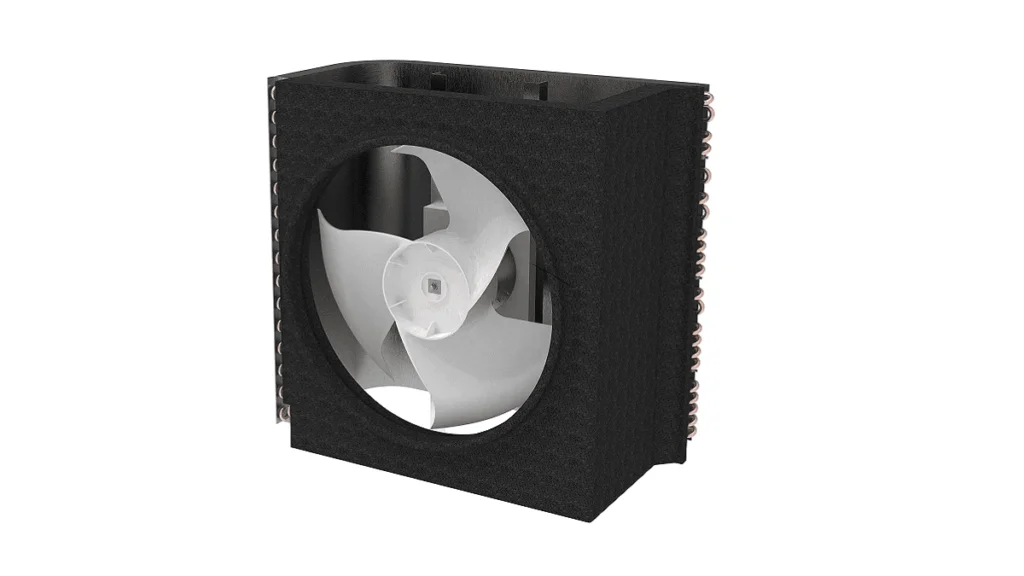
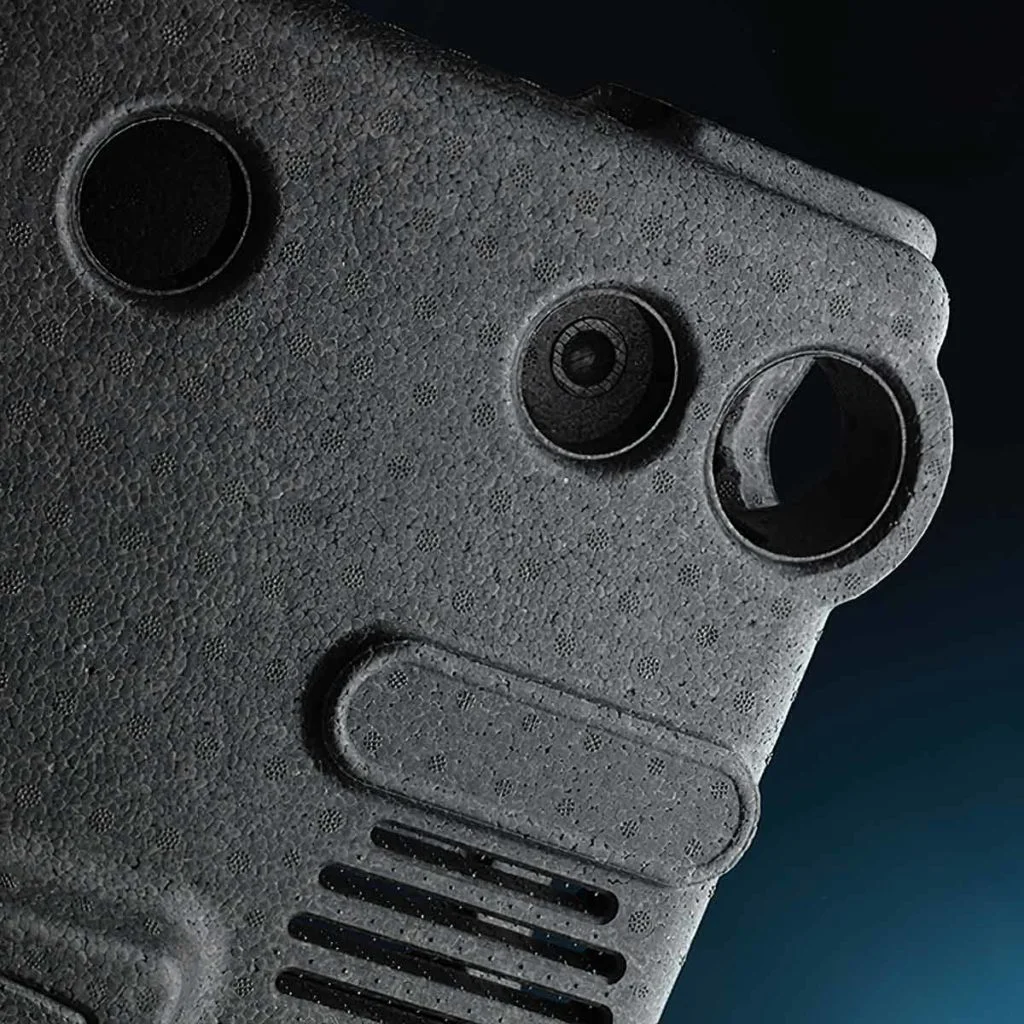
If you are looking for a material that is lightweight, strong, cost-efficient, and easy to mould, expanded polypropylene (EPP) is the ideal solution. It is the preferred solution for HVAC engineers to optimise the adaptability of lightweight HVAC products. In other words, it allows customized components to be moulded for each model in a manufacturer’s catalogue.  

In fact, one of the advantages of EPP in HVAC manufacturing is that it simplifies many stages of production through a click-to-fix design that eliminates the process of screwing or gluing various parts together.  


RELOOPP®, just as light but circular  

At Knauf Industrial Solutions we have inherited all the EPP know-how of Knauf Industries. Our materials engineers have recently developed RELOOPP®, a new circular material alternative to EPP made from post-consumer recycled EPP. The ultimate solution to reduce the weight and carbon footprint of your HVAC systems.    

Advantages of achieving lightness in HVAC systems  

The HVAC market has been growing steadily for years. Sales of cooling, heating, and ventilation equipment are estimated to grow by 6.8% until 2031. In some cases, this equipment is a first installation, but in many other cases it is a replacement of equipment with its better performing version.   

The reasons for this increase in demand are manifold:   

  • Growing demand for energy-efficient equipment.  
  • Increased concern for thermal comfort and indoor air quality.  
  • Technological improvements and application of new materials.  
  • Adaptation to new regulations promoting energy saving.  

In such a dynamic and, at the same time, competitive market, it is not easy to meet these requirements. Ingenious and efficient solutions are needed. Reducing the weight of such equipment makes a qualitative difference compared to the competition.   


Simplification of plant work  

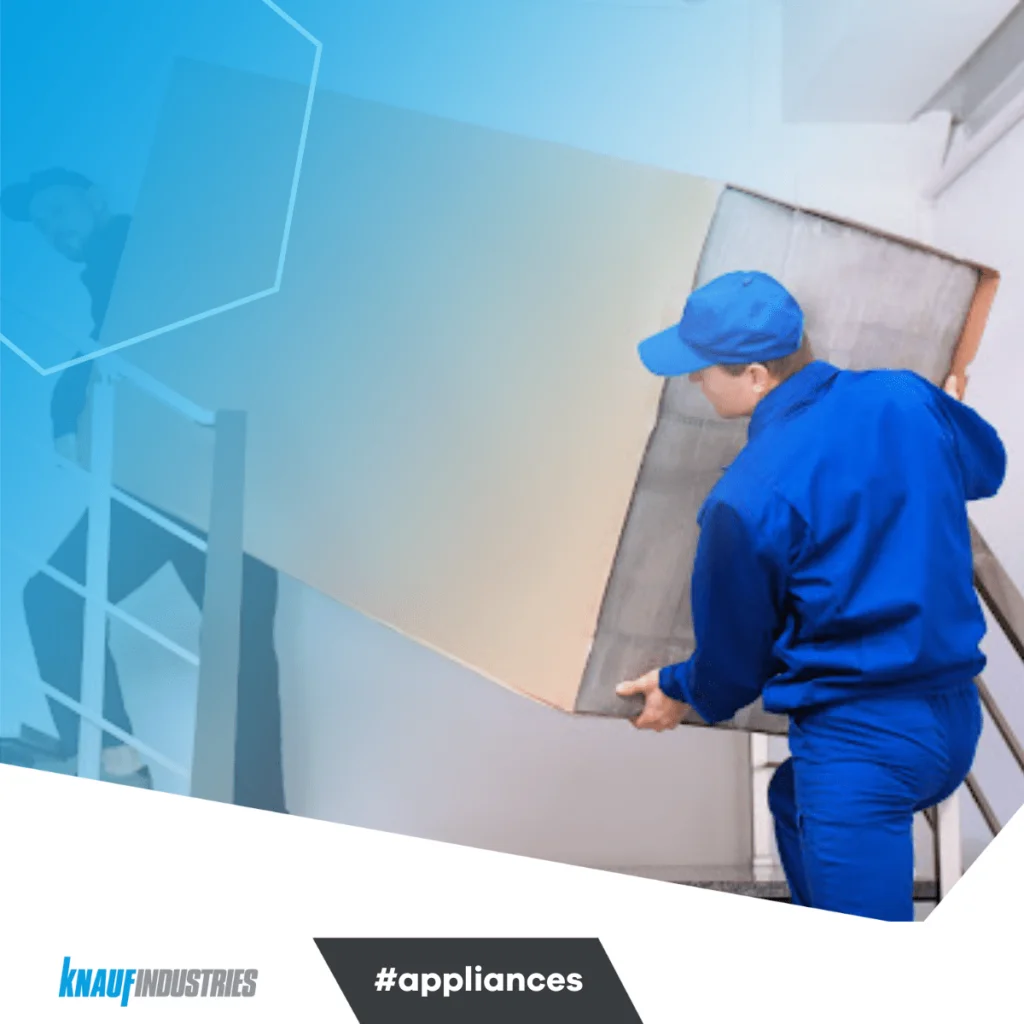
Although most of the processes in assembly plants are robotised, manual tasks remain. Reducing the weight of components facilitates loading, unloading and other handling of parts. This results in safer working environments and fewer accidents due to pulled muscles, knocks or falls when handling these parts.   


Logistical benefits of lightweight HVAC systems  

Air conditioners or water heaters, to name two examples, are robust. A reduction in weight also reduces fuel consumption for transport from the production plants to the customer. In the current scenario of constantly rising oil prices, the cost savings with a light HVAC at the end of the year are undeniable.   


Less carbon footprint in logistics  

It’s not just about saving money per kilometre. A lighter load emits less CO2, the gas responsible for climate change. This concern for sustainability is one of the levers driving market demand for lightweight HVAC solutions.   


Easier installation  

Lighter equipment can be installed more quickly and in less time. And at lower costs, as another advantage of installing a lightweight HVAC is that it requires less manpower to support the equipment during operations.   

Advantages of achieving lightness in HVAC systems

Interior design assistance  

Reducing weight by incorporating components in EPP allows for greater flexibility in the design of lightweight HVAC systems. Thanks to these advances, more elegant, more discreet designs can be produced and anchored in false ceilings or flimsy walls. All this improves the aesthetics indoors.   


Improved performance   

The development of tailor-made components in click-to-fix format provides stability to the equipment, as vibrations and frictions between parts are minimised. We thus have two benefits: improving HVAC performance with lightweighting and reducing the risk of breakdowns due to friction between parts.   


Simpler maintenance  

Among the advantages of light HVAC maintenance are that, in the event of a repair, operators can quickly access the point of failure, repair, replace faulty parts and re-close.     


Sustainable practices with a light HVAC  

95% of EPP is air. This property explains its light weight, but also its high insulation capacity, a highly appreciated property in a sector that provides comfort temperatures. Manufacturing components with this expanded material ensures greater energy efficiency in EPP lightweight air conditioning.   


In other words, if we look at it with the planet in mind, we achieve a lower environmental impact thanks to lighter and at the same time more efficient air conditioning.   

Interested in knowing more? Contact with our team here. 

FAQ Lightweight HVAC systems

What are the benefits of a lightweight HVAC system? 

Lightweight HVAC systems offer advantages in manufacturing, logistics, installation and maintenance. This translates into cost savings, greater energy efficiency and improved performance.  


How does EPP contribute to achieving lightness in HVAC systems? 

EPP (expanded polypropylene) is a lightweight, yet strong and durable material. This facilitates handling during manufacture, transport and installation of HVAC components.  


Do lightweight HVAC systems last as long as traditional systems? 

Yes, lightweight HVAC systems, especially those using expanded polypropylene (EPP) are strong and durable. This ensures optimum performance throughout its life cycle, with fewer breakdowns and greater energy efficiency.   

All Neopolen recycled grades are Recyclass certified according to European standards Learn more